

In an increasingly competitive manufacturing market, improving product quality has become the core driving force of business development. Particularly in the areas of PVC injection molding processes and micro injection molding technology, accurately mastering every step and integrating technological innovation are essential to achieving product precision and performance. Are you looking for comprehensive ways to improve the quality of PVC plastic molded products? This article will reveal the secrets of precision injection molding and guide you through how to finely control the production process, from raw material selection to every step of the molding process.
Key Takeaways
- Gain an in-depth understanding of every detail of the PVC injection molding process
- Master the application of micro injection molding technology in improving finished product precision
- Learn how to improve product quality through innovation
- Discover key strategies for optimizing PVC injection molding processes
- Obtain a professional guide to achieving high-quality PVC finished products
Basic Principles of PVC Injection Molding
When it comes to the injection molding process, it refers to precisely injecting high-temperature molten PVC plastic material into a pre-designed mold, which then cools to form the intended solid plastic product. This plastic molding technology involves a series of complex, high-precision steps. To help you better understand this technology, let us analyze its key stages in detail.
| Injection Molding Stage | Process Involved | Key Considerations |
|---|---|---|
| Plastic Material Preparation | Drying, Loading | Prevent moisture from affecting plastic quality |
| Heating | Heating material to melting point | Temperature control management to ensure uniform melting |
| Injection | Injecting molten material into the mold | Precise control of pressure and speed |
| Cooling | Plastic cooling and solidifying in the mold | Cooling time and cooling system design |
| Part Demolding | Opening the mold and removing the molded part | Preventing product deformation or damage |
As you can see, from raw material preprocessing to finished product manufacturing, every step requires special attention to material properties, machine settings, mold design, and other details. Throughout these stages, precise equipment and skilled operational expertise are key to achieving high-quality PVC plastic products. By understanding every detail of the injection molding process, you will be better equipped to master plastic molding technology and optimize both the manufacturing process and product quality.
Application Areas for Precision Micro Injection Molding
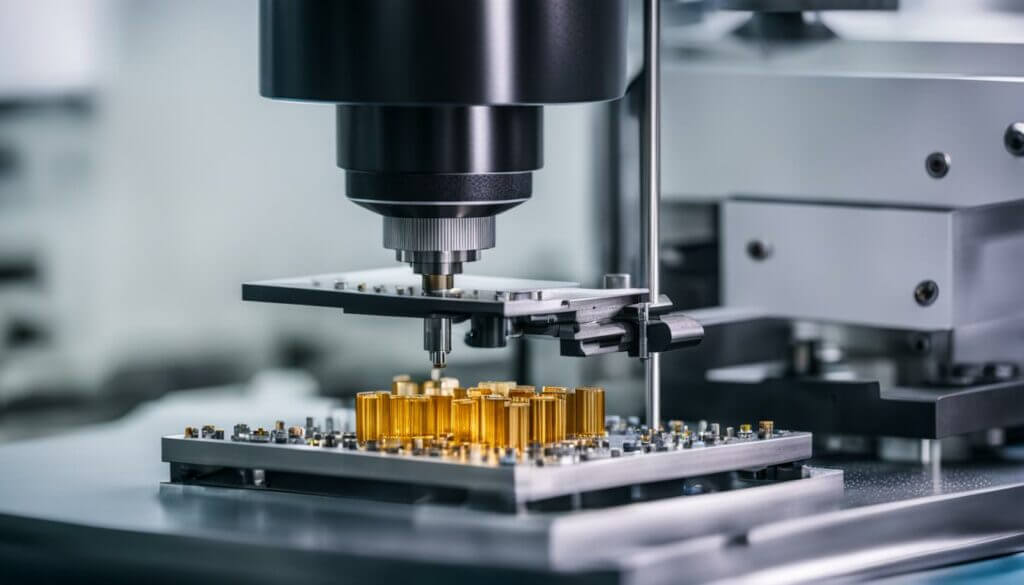
Understanding micro molding applications is crucial for today's manufacturing industry. It not only improves the manufacturing quality of precision plastic components but also greatly expands the possibilities of material usage. Below is a detailed introduction to the applications of micro injection molding technology across various fields.
| Industry | Micro Molding Application Examples | Potential Value |
|---|---|---|
| Medical Devices | Cardiac catheters, micro pumps, etc. | Improved product precision, enhanced treatment effectiveness |
| Electronic Products | Smartwatch internal components, micro sensors | Reduced device size, extended product lifespan |
| Automotive Industry | Precision connectors, electronic control units | Enhanced vehicle performance, improved safety |
| Consumer Electronics | Earphones, microphones, and other miniaturized devices | Lightweight and portable, improved user experience |
Through precision micro injection molding technology, your products can gain a significant competitive advantage in the market, excelling not only in quality but also in design innovation and functionality.
Factors Affecting PVC Injection Molding Quality
In the PVC injection molding process, molding quality control is the top priority for ensuring product quality. As a producer, you must understand all the factors that may affect molding quality so that you can control product quality and effectively address issues. Next, we will explore several key factors affecting injection molding.
First, raw material quality is critical to the quality of injection molded products. If raw materials contain impurities or excessive moisture, they will negatively affect the structural integrity and appearance of the finished product. Second, equipment precision cannot be overlooked. The accuracy of the injection molding machine needs to be regularly inspected to ensure it operates at the correct pressure and temperature, producing products with consistent quality. Furthermore, the mold design must be meticulously detailed; otherwise, even if all other conditions are perfect, a small mold defect could cause flaws in the finished product.
Finally, every step of the molding process must be carefully controlled. From preparing raw materials to demolding the finished product, every step affects molding quality. Factors such as mold temperature, injection speed, and holding pressure time all require strict monitoring. Proper process optimization can significantly improve the quality of the final product.
| Quality Control Factor | Key Considerations |
|---|---|
| Raw Material Quality | Ensure no impurities, control moisture content |
| Equipment Precision | Regular maintenance to ensure high accuracy |
| Mold Design | Precise design and manufacturing, free of structural defects |
| Molding Process | Strict process control, reasonable process optimization |
Understanding and controlling these factors will help you improve the overall quality of your PVC injection molded products.
The Role of Machinery in PVC Micro Injection Molding
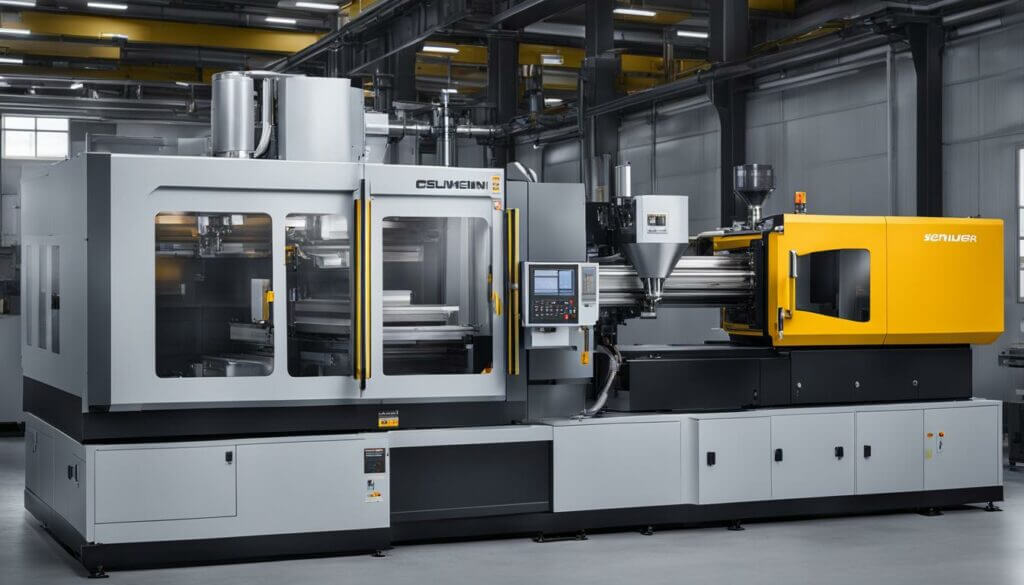
In the field of PVC micro injection molding, the injection molding machine plays an extremely important role. A high-quality molding machine is the key factor in achieving product precision and consistency. You need to focus not only on the machine's performance but also on its accuracy, controllability, and efficiency throughout the entire production process.
Regarding high-precision manufacturing equipment, the modern market offers numerous leading brands that feature advanced technology and continuous innovation in efficiency and ease of operation. The table below showcases several leading injection molding machines on the market and their key features:
| Brand | Model | Clamping Force Range | Features |
|---|---|---|---|
| Haitian Machinery | HTW280/PVC | 280 tons | Energy-efficient, high performance |
| Borche Precision Machinery | BM-1000A | 1000 tons | Suitable for large molds, excellent stability |
| FCS Machinery | FUH-120A | 120 tons | High-precision positioning, easy operation |
Choosing the right injection molding machine is crucial for your production line. This not only improves production efficiency but also ensures product quality meets strict industry standards. Therefore, when considering investing in new equipment or upgrading existing facilities, the features mentioned above can serve as a reference for your decision-making.
The Importance of Precision Mold Design
When it comes to micro injection molding technology, mold precision and mold manufacturing processes play critical roles. A well-designed mold not only ensures product dimensional consistency but also improves overall manufacturing efficiency and finished product quality. As you explore the world of mold design, the following factors are essential reference points.
First, material selection for the mold must consider durability and cost-effectiveness. High-quality steel or aluminum alloys can withstand long production runs while maintaining shape and dimensional stability. Additionally, precision mold structural design should incorporate microscopic considerations, such as venting system design and cooling channel layout, which are directly related to gas evacuation during the plastic molding process and uniform product cooling.
Mold surface treatment techniques, such as mirror polishing or special coatings, can reduce friction between the finished product and the mold, facilitate demolding, and enhance the surface texture of the product. Through meticulous and refined surface treatment, the mold not only extends its service life but also gives molded products a higher aesthetic quality.
Understanding these fundamentals of mold design will help you make wiser decisions when selecting mold manufacturers or evaluating mold solutions. Remember, a high-quality mold is the starting point for successful micro injection molding and the fundamental guarantee of product precision and aesthetics.
Tips for Optimizing Injection Molding Parameters
In manufacturing, the precision of molding parameter settings is one of the key factors determining product quality. You must understand how various parameter settings affect product appearance, dimensional accuracy, and physical properties, and then perform process optimization to ensure production stability and efficiency.
Below are some fundamental injection molding parameters that you can adjust according to specific manufacturing requirements:
| Molding Parameter | Function Description | Adjustment Recommendations |
|---|---|---|
| Mold Temperature | Affects plastic fluidity and cooling rate | Set appropriate range based on material properties to avoid shrinkage or warping |
| Injection Pressure | Determines the speed and compaction of plastic filling the mold | Ensure adequate filling while avoiding overpressure and stress |
| Injection Speed | Affects molding quality and filling time | Set appropriately to control molding cycle and avoid flash |
| Cooling Time | Ensures complete plastic solidification and easy demolding | Adjust based on product thickness and mold design |
Through careful adjustment of molding parameters, you can not only improve product quality but also reduce waste during production, achieving dual optimization of cost and efficiency. Remember, optimization is a continuous process that requires ongoing testing, evaluation, and strategy adjustment.
Identifying Molding Issues Through Trial Runs
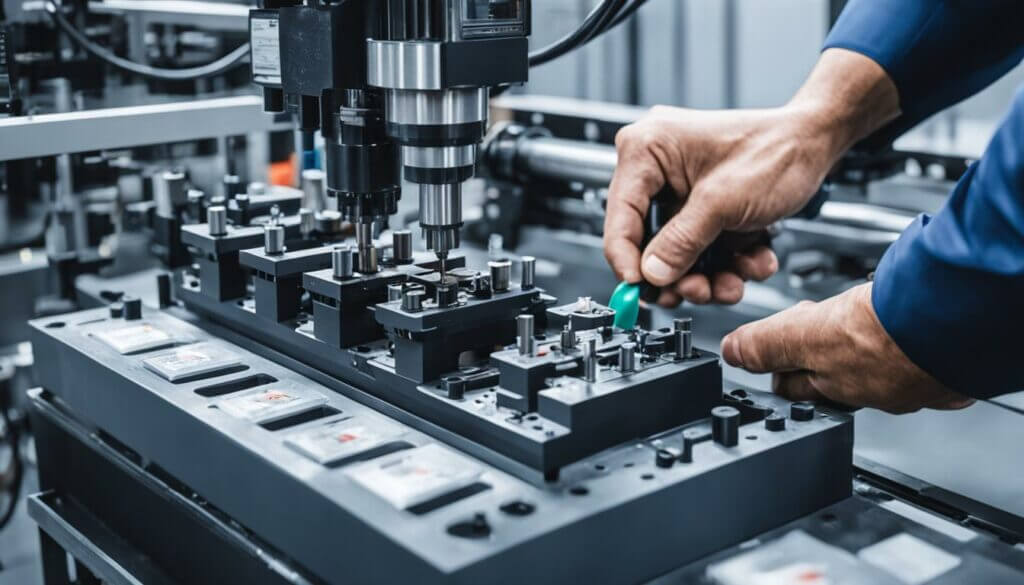
In the PVC injection molding field, trial mold analysis is a critical step that allows us to identify and resolve potential molding issues before mass production. Trial runs not only provide guidance on mold and material selection but also involve the adjustment of molding parameters. This section focuses on how to conduct effective molding defect diagnosis and gain valuable experience for improving molding quality.
During initial trial runs, we may encounter various molding defects, such as short shots, warping, internal stress, or surface defects. These issues typically reflect shortcomings in mold design, material properties, or molding parameter settings. For example, short shots may indicate insufficient injection pressure or slow injection speed, while warping may be related to uneven mold temperature distribution or excessive cooling rates.
Through systematic diagnosis and improvement, these issues can be effectively resolved. Operators need to record the parameters, environmental conditions, and molding quality of each trial run and use this data for cross-analysis to ultimately determine the optimal injection molding conditions.
To successfully use trial mold analysis to improve molding quality, you need to build a comprehensive understanding that encompasses the mold, materials, machine, and processing conditions. This way, when molding defects occur, you can quickly identify the root cause and adjust the appropriate parameters to ensure product quality.
PVC Material Properties and Selection Guide
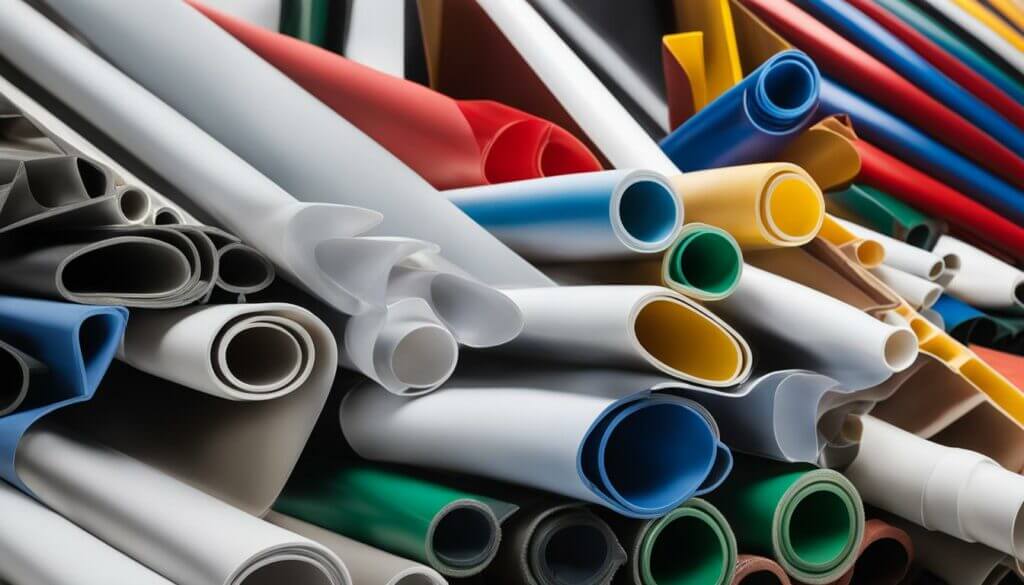
In the process of PVC plastic selection, understanding different material properties is crucial to ensuring that molded products meet your professional requirements. As a widely used plastic for injection molding, PVC has diverse physical and chemical properties that determine its performance during the molding process and the application range of the final product.
| Material Type | Physical Properties | Chemical Properties | Recommended Applications |
|---|---|---|---|
| Rigid PVC | Good rigidity, high strength | Chemical corrosion resistant | Building materials, pipes |
| Flexible PVC | Good flexibility, impact resistant | Oil resistant and acid/alkali resistant | Wire insulation, medical devices |
| Transparent PVC | High transparency, good stability | Hydrolysis resistant | Packaging materials, containers |
When selecting PVC plastic, you also need to evaluate the material's sustainability and environmental friendliness, especially when it involves food safety or medical applications. Paying attention to product data sheets and test reports provided by suppliers during material selection can help you make more informed decisions.
How to Ensure the Precision of Injection Molded Products
In the highly competitive manufacturing industry, the production of high-precision products not only reflects a company's technical capabilities but is also a key factor in winning market share. Ensuring precision and consistency requires a well-established quality control process and meticulous management at every stage of the process. This also guarantees that injection molded products meet high-standard quality requirements.
Standardized processes are the first step in ensuring product precision. By establishing uniform operating standards, every production step can meet predetermined requirements. Additionally, strict quality control measures can identify issues promptly and enable rapid adjustments. The philosophy of continuous improvement drives companies to constantly innovate manufacturing techniques and enhance production efficiency.
| Process Stage | Inspection Items | Control Measures | Improvement Direction |
|---|---|---|---|
| Raw Material Inspection | Physical and chemical properties of materials | Incoming inspection reports | Optimize supply chain management |
| Production Process Control | Processing temperature, pressure, time | Real-time monitoring system | Implement automation technology |
| Semi-Finished Product Inspection | Dimensional accuracy, appearance quality | Sampling inspection | Establish traceability system |
| Finished Product Inspection | Functional testing, durability testing | Final inspection certificate | Strengthen employee training |
Your company may have already implemented some quality control measures, but the effectiveness of this process needs to be regularly reviewed and adjusted. Periodic process audits and market feedback will provide the motivation and direction for continuously optimizing product precision.
Strategies for Improving PVC Injection Molding Efficiency
In today's highly competitive manufacturing market, improving production efficiency and cost control are strategically vital for businesses. Below are some practical strategies to help your PVC injection molding production line move toward greater efficiency and cost-effectiveness.
First, automation is an important pathway to improving efficiency. By optimizing the automation level of injection molding machines, you can reduce human errors and speed up production cycle times. At the same time, streamlining workflows can further reduce unnecessary time consumption, making operations at every production stage smoother.
| Strategy | Benefits | Expected Results |
|---|---|---|
| Production Line Automation | Reduce labor costs, improve consistency | Faster production cycles, fewer human errors |
| Process Streamlining | Reduce time waste, improve operational efficiency | Quick response to market demands, lower inventory costs |
| Continuous Improvement | Gradually improve production process efficiency | Long-term performance improvement, sustainable operations |
In addition to the strategies above, continuous improvement and innovation should not be overlooked. Constantly reviewing and adjusting production processes ensures that your PVC injection molding operations remain at their optimal state and continue to progress.
Differences Between Micro Injection Molding and Mass Production
In modern manufacturing, small-batch production and large-scale manufacturing represent two fundamentally different production models. Small-batch production, or micro injection molding, primarily focuses on flexible production adjustments tailored to specific customer needs, while large-scale manufacturing focuses on high-volume, standardized production processes. This section provides a comparative analysis to help you understand the characteristics and challenges of both models, enabling you to choose the production strategy best suited to your business needs.
| Production Model | Small-Batch Production | Large-Scale Manufacturing |
|---|---|---|
| Production Volume | Flexible, adjusted on demand | High volume, stable production |
| Customer Adaptability | Highly customized services | Market-oriented, limited customization |
| Production Cost | Higher unit cost | Economies of scale reduce costs |
| Market Response Time | Quick response to market changes | Requires longer planning periods |
| Quality Control | Emphasis on individual product quality | Standardized quality control systems |
| Technical Requirements | Greater flexibility in process technology | Highly standardized processes and equipment |
Clearly, the flexibility and adaptability of small-batch production provides customers with more personalized options, but also brings higher unit costs and technical requirements. In contrast, large-scale manufacturing can achieve significant cost savings through efficient production lines and volume effects. However, regardless of which production method you choose, ensuring product quality is always the top priority.
Energy Conservation and Environmental Protection: The Sustainable Development Direction of PVC Injection Molding
In today's world, green manufacturing is no longer just an option but a necessary requirement for manufacturing enterprises. As a member of the industry, you may have already recognized the importance of sustainable technology for long-term business development. The PVC injection molding industry is facing transformation pressure aimed at reducing environmental impact while achieving business sustainability.
To this end, many advanced companies have begun adopting innovative sustainable technologies, including energy-efficient machinery and bio-based materials, making the entire production process more environmentally friendly. These measures not only improve energy efficiency but also help reduce exhaust emissions and resource consumption.
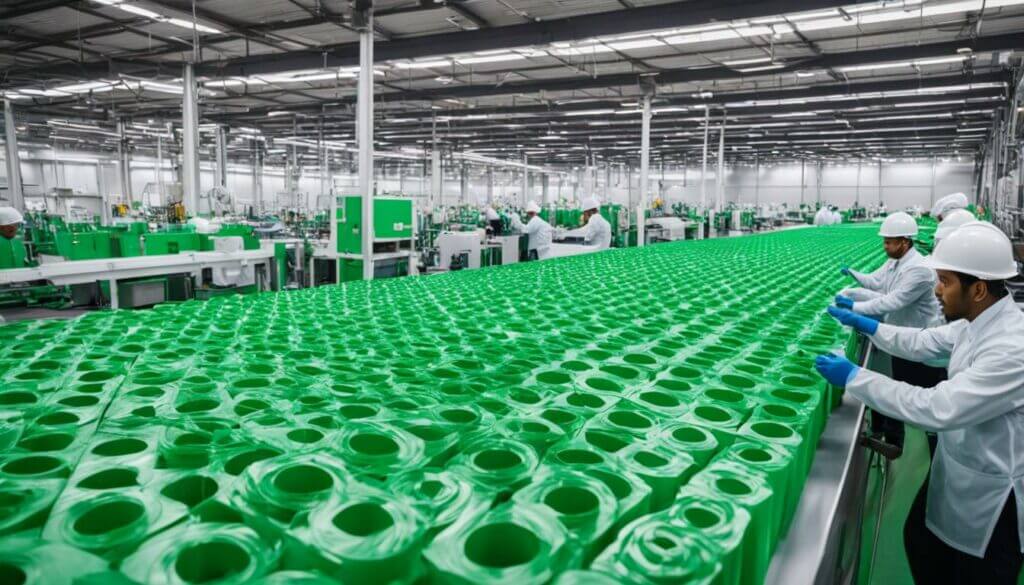
For example, using solar or wind energy as power sources, as well as using regenerative systems to recover heat generated by machines, are sustainable processes being adopted within the industry. Additionally, the development and use of degradable or recyclable plastic materials also offer the PVC injection molding industry the possibility of reducing its environmental footprint.
These innovative measures are gradually becoming industry standards, pointing us toward a sustainable development path that meets current needs without compromising future generations. Therefore, from individual to corporate levels, strengthening green manufacturing strategies and implementing sustainable technologies will be the path to success.
Case Studies: Successful PVC Micro Injection Molding Application Examples
As a professional, how would you use successful case studies to implement technological innovation within the industry? In this section, we will delve into several highlights of industry application practices, showcasing how outstanding achievements have been made in the PVC micro injection molding field.
Let's start with an example from a well-known medical device manufacturer that successfully produced high-precision medical plastic components using micro injection molding technology. This not only significantly improved product quality but also helped the company stand out in a highly competitive market.
Another case comes from the automotive industry. A leading automotive parts supplier adopted high-precision PVC injection molding technology to meet safety and performance requirements. Their innovation not only drove improvements in production efficiency but also set new industry standards in quality control.
Most notably, a consumer electronics company applied PVC micro injection molding technology to produce lightweight yet durable plastic components that played a core role in high-performance electronic products. Through continuous technological innovation and optimization, the company successfully shortened product development cycles and quickly launched next-generation products to market.
These cases highlight the high standards achievable with PVC micro injection molding technology across various product developments and its significant impact on raising industry standards. Through these successful case studies, we can see that for manufacturers preparing to enter or maintain a leading position in the PVC injection molding field, mastering relevant industry application practices is undoubtedly a powerful competitive tool.
Future Trends and Challenges in Injection Molding Technology
With the continuous advancement of technology, the injection molding industry is actively seeking innovation to embrace new development opportunities and challenges. The future direction of injection molding technology is moving toward greater digitalization and intelligence, which is not only the prevailing trend in industry development but also a major driving force for continued innovation in manufacturing.
Here are some trends with far-reaching impact:
- Digital transformation brings disruptive changes to production processes and work methods. Through the integration of digital technology, from product design to mold manufacturing, higher efficiency and flexibility can be achieved.
- Smart manufacturing, especially the application of IoT and machine learning, has dramatically improved the autonomy and intelligence of injection molding machines, effectively optimizing production efficiency and product quality.
- Material innovation focuses on environmental friendliness and performance improvement. New materials not only share the environmental burden but also provide higher performance and broader application ranges.
Looking further, what implications and impacts do these innovative changes have on your development in the injection molding field?
First, digital transformation means you can predict product behavior through advanced data analysis and simulation software before production, thereby reducing trial mold costs and accelerating time-to-market. Second, the advancement of smart manufacturing enables real-time monitoring of production lines, optimal adjustment of production processes, and timely response to market demand changes. Finally, material innovation requires you to continuously explore and adapt to new materials to create more competitive products.
Conclusion
Through the in-depth discussion in this article, you should now have a comprehensive understanding of precision PVC micro injection molding technology. From basic principles to advanced applications, this technology has not only driven the development of the manufacturing industry but has also demonstrated tremendous future potential. With technological advancements, we can expect PVC injection molding technology to play an increasingly critical role in fields such as medical devices, automotive industry, and consumer electronics.
The precision and reliability of this technology are fundamental to meeting product quality requirements and are also at the core of driving innovation and efficiency improvement. Whether in new product development or the improvement of existing manufacturing processes, PVC injection molding has proven its value and continues to help companies maintain competitive advantages in the market.
Looking ahead, this mature and precise manufacturing process will undoubtedly continue to expand its scope of influence and application prospects. With technological upgrades and increasing emphasis on environmental protection, PVC injection molding technology will surely lead the industry toward more energy-efficient and environmentally friendly manufacturing pathways.