

When exploring irreplaceable materials in the medical world, silicone should not be overlooked as a valuable resource. With its outstanding temperature resistance, medical-grade silicone has become an indispensable part of many critical medical device markings. Whether you are pursuing innovation in Taiwan's medical equipment manufacturing processes or seeking refined presentation of product details, silicone provides a perfect solution.
Facing Taiwan's strict regulatory oversight on medical product quality and safety, using silicone printing to enhance device identification is a wise choice. This material not only guarantees marking durability but is also praised for its eco-friendly characteristics.
Key Takeaways
- Medical-grade silicone, with its stable chemical properties and non-toxicity, ensures safe use in medical device markings.
- Temperature resistance makes silicone the ideal choice for medical equipment used in high-temperature environments.
- In Taiwan's medical equipment manufacturing process, silicone printing can enhance product durability and service life.
- Silicone's active adsorption properties play a key role in the precision of medical devices.
- High-quality silicone and its printing technology applications bridge the gap between standards and innovation in medical equipment.
Basic Properties of Silicone and Silicone Printing Applications
When mentioning silicone properties, the first thing that comes to mind is its highly efficient waterproofing and insulation capabilities. Silicone, a unique polymer material, is not only insoluble in water and most solvents due to its special structure but can also maintain its properties under extreme temperatures — such characteristics make silicone product applications extremely wide-ranging.
Have you ever wondered why silicone has secured its place in the medical field? The secret lies in silicone's outstanding resistance to both high and low temperature variations. This property not only ensures the service life of silicone products in extreme environments but its resistance to chemical corrosion also guarantees the stability and safety of products during use — all of which are the key reasons why silicone printing technology is widely applied across multiple products.
The following table shows the performance of silicone printing under different conditions:
| Property | Silicone Performance | Application Examples |
|---|---|---|
| Temperature Resistance | Maintains stability within -40°C to 200°C range | Medical device insulation layers |
| Waterproofing | Insoluble in water and most solvents | Medical equipment protective covers |
| Chemical Corrosion Resistance | Can resist corrosion from various chemicals | Drug transport pipelines |
As shown in the table, silicone is not just a multi-functional material — its performance under special conditions makes it the ideal material for solving unique requirements. For example, in medical equipment, temperature resistance properties enable silicone to be used in manufacturing components that undergo high-temperature sterilization, while its outstanding waterproof properties also make various hospital equipment easier to clean and maintain.
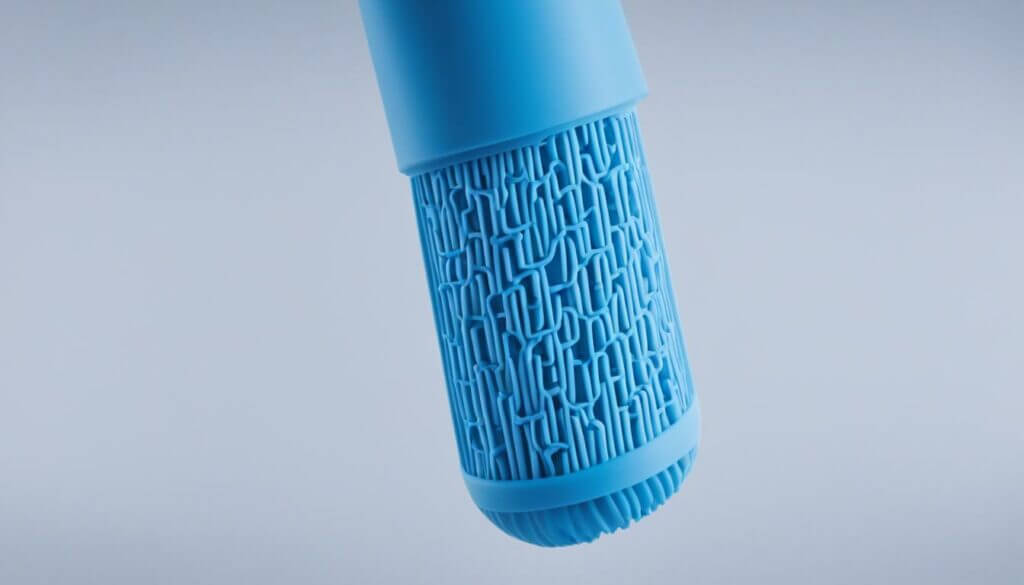
Looking ahead, silicone printing technology will continue to innovate across various fields, constantly pushing the application boundaries of silicone products to benefit more smart and diversified innovative products. High-quality silicone, combined with advanced printing technology, will achieve the perfect balance between product performance and health safety.
Wide-Ranging Applications of Silicone in the Medical Field
Facing the ever-evolving medical field, medical-grade silicone, with its outstanding safety and durability, continues to expand its applications in medical device manufacturing. Its chemical stability and biocompatibility with biological tissues make it the ideal material for manufacturing various medical products — from disposable surgical supplies on patients to expensive medical machinery in hospitals, silicone's presence is everywhere.
In the medical environment, all equipment and supplies must undergo rigorous hygiene testing, and medical devices are no exception. Therefore, medical-grade silicone, with its high-standard production processes, ensures medical products are pure and harmless from the inside out. This not only complies with hygiene regulations but also provides patients with a more reassuring treatment experience.
Behind this reliability is silicone's resistance to extreme temperatures and its advantage of being impervious to chemical substances. Whether enduring high-temperature steam during disinfection or coming into contact with various agents during complex surgeries, silicone components maintain their structural and functional stability, validating the importance of safety and durability.
Below are several noteworthy application examples of medical-grade silicone in medical devices:
| Medical Device Type | Silicone Application Component | Silicone Characteristics |
|---|---|---|
| Surgical Instruments | Handle covering layers | Anti-slip, heat-resistant |
| Medical Sealing Materials | O-rings, gaskets | Good sealing, biocompatibility |
| Isolation Equipment | Seal valves | High chemical stability |
| Wearable Medical Devices | Skin-contact parts | Soft and comfortable, easy to clean |

Waterproofing and Insulation Benefits of Silicone Printing in Medical Products
When discussing medical device printing, the practicality and functionality of products are inevitably mentioned. In this process, silicone durability is one of the key factors determining a product's long-term benefits. Due to its highly waterproof and insulating properties, silicone has become the preferred choice for printing processes in the medical field.
In the medical environment, waterproofing is a prerequisite for equipment safety. The stability of medical equipment when exposed to liquids — especially in emergency or blood-handling situations — is critically important. Medical devices need a protective outer layer to resist accidental liquid infiltration, and silicone provides powerful protection with its outstanding waterproof capability.
At the same time, silicone's insulating properties are a key safety aspect for patients and medical professionals. Its non-conductive nature ensures that the insulation benefits serve as a trusted safeguard when using various diagnostic and therapeutic equipment. This property reduces the risks of electrical failures and provides necessary safety clearance for the high-voltage equipment commonly found in hospitals.
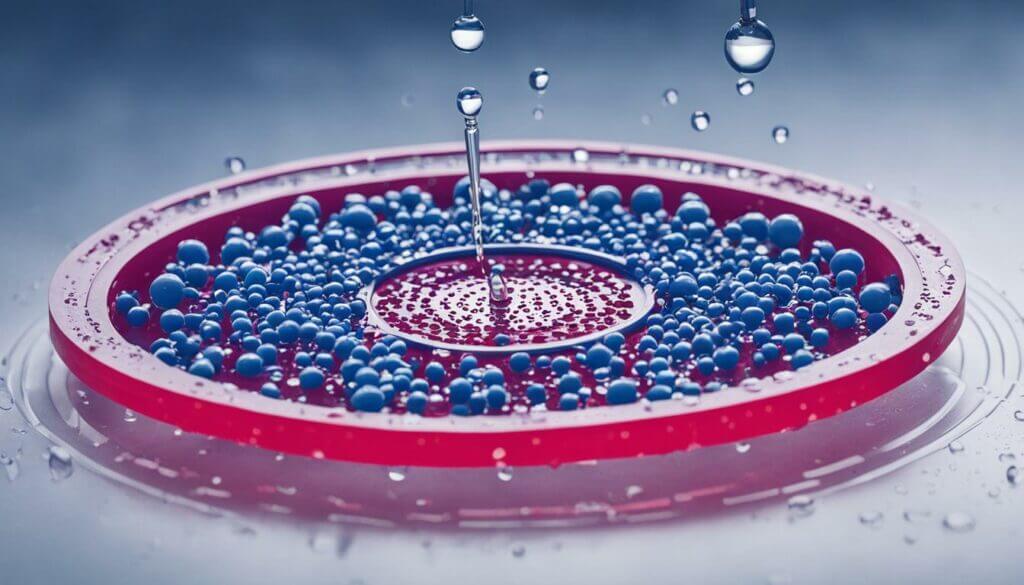
These characteristics of silicone not only extend device lifespan but also significantly reduce maintenance workload, thereby lowering cost and time investments. For this reason, the combination of high-quality silicone materials and advanced printing technology has been proven an effective pathway for enhancing medical durability and ensuring medical environment safety.
Why Silicone Is the Preferred Material for Manufacturing Medical Devices
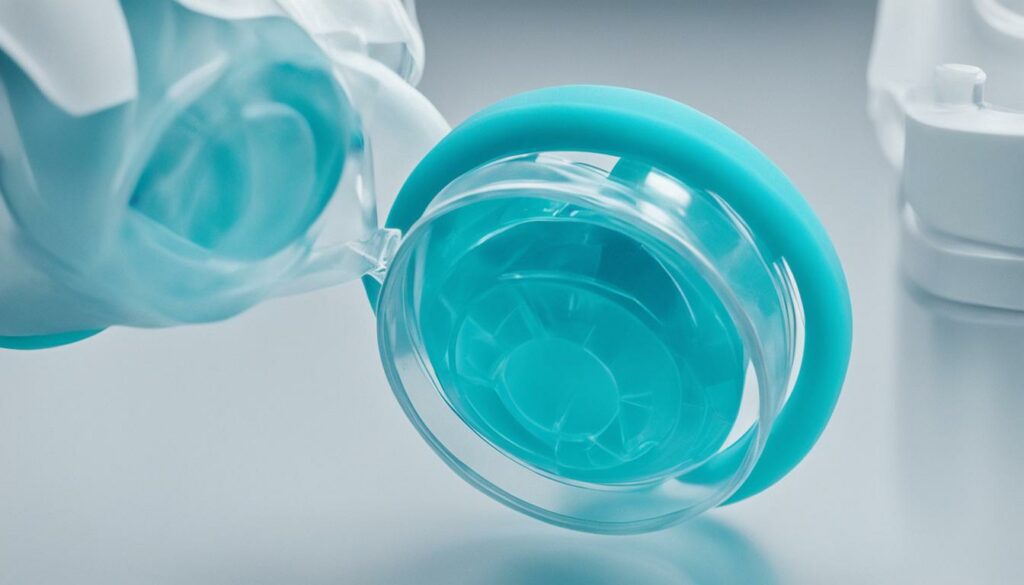
When discussing medical device manufacturing, silicone receives high praise from industry experts due to its silicone advantages. You may wonder why silicone is so highly favored — the answer lies in its versatile physical properties and chemical stability. Whether it is its high-temperature tolerance, resistance to chemical agents, or its long-proven safety — these are all important reasons why silicone has become the material of choice for manufacturing medical equipment.
In the medical device field, from surgical tools to implantable devices, the broad range of applications for high-quality silicone demonstrates its versatility. This material is suitable for various environmental conditions, and even during rigorous disinfection and cleaning processes, silicone maintains stable performance, ensuring the longevity and reliability of medical equipment.
Below is a table showing important application areas of silicone in medical devices:
| Application Area | Role of Silicone | Importance to Medical Devices |
|---|---|---|
| Implantable Devices | Excellent biocompatibility, unlikely to cause rejection | Ensures patient safety through silicone's biocompatibility |
| Surgical Tools | Heat-resistant, can undergo high-temperature dry heat or steam sterilization | Supports high-standard sterilization processes, reduces infection risk |
| Wearable Devices | Good conformity, waterproof, friction-resistant | Enhances user comfort, ensures device proper function |
| Diagnostic Equipment | Highly moldable, soft touch | Makes examination processes gentler, improves patient acceptance |
These are just the tip of the iceberg. As silicone manufacturing technology continues to advance, medical devices are expected to see further improvements in performance and safety, and silicone's advantages will continue to be discovered and applied. This keeps silicone in its irreplaceable position within the medical device manufacturing industry.
Chemical Corrosion Resistance and Biocompatibility of Silicone Materials
In the field of medical product design and manufacturing, biocompatibility and chemical corrosion resistance are two essential factors that must be rigorously considered when selecting materials. Choosing materials with these qualities is crucial, especially for medical devices that come into direct or indirect contact with patients' bodies. Medical silicone demonstrates significant advantages in these areas with its outstanding performance.
Medical silicone has excellent chemical corrosion resistance against a wide range of chemical substances, including disinfectants and cleaning agents. In medical applications, this means products made from silicone can withstand frequent scrubbing and disinfection without losing their mechanical properties or surface integrity.
Additionally, silicone's biocompatibility ensures that prolonged contact with the human body will not cause allergic reactions or inflammation. This is especially important for medical devices that need to be implanted or frequently contact the skin, such as catheters, implants, or monitoring devices.
Given its critically important role, Taiwan's medical equipment manufacturers pay special attention to material quality and long-term performance when selecting silicone as a production material, thereby providing patients with the safest and most secure medical treatment and care.
Printing Processes for Silicone Components in Medical Devices
In the medical device field with its demanding standards, the precision and reliability of silicone component printing processes are critically important. This section explores how this technology ensures the accuracy of medical marking processes and its impact on improving medical product quality.
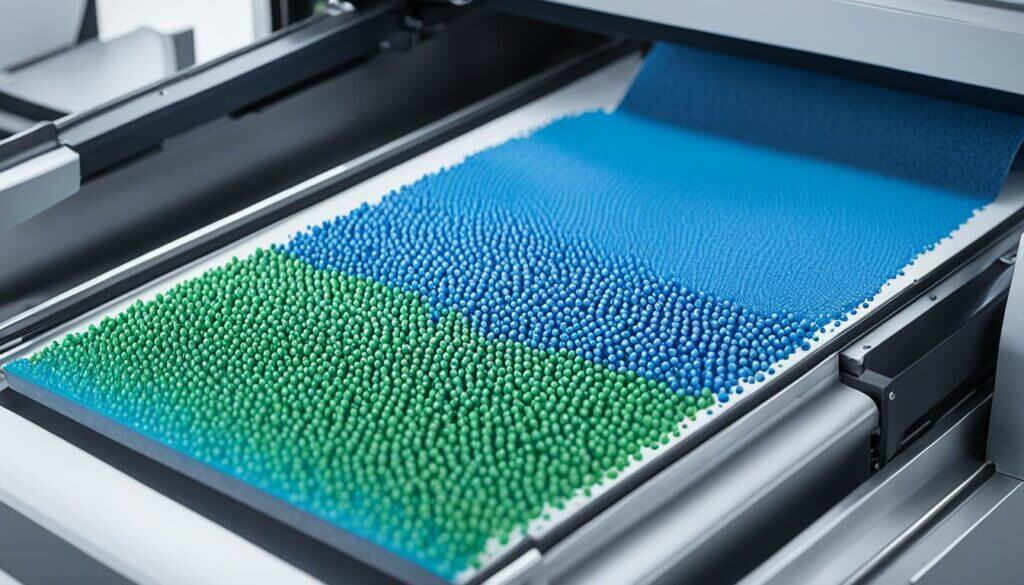
The application of precision printing methods in the manufacturing process not only makes medical device markings clearer and more legible but also ensures the longevity of printed information. The accurate presentation of testing data and regulatory standards on medical devices enables users to clearly obtain necessary information and effectively avoid usage errors.
| Printing Technology | Features | Application Areas |
|---|---|---|
| Solid Hot Press Molding | Rapid forming at high temperatures, good stability | Housings and rigid markings |
| Liquid Injection Molding | High precision, suitable for complex-shaped components | Small or complex silicone components |
| Extrusion Molding | Continuous production, high efficiency | Tubing and connector components |
These diverse medical marking processes not only ensure product quality but also significantly enhance design freedom. Furthermore, as technology advances, these processes will continue to innovate to adapt to more stringent hygiene standards and performance requirements.
Case Analysis: Applications of Silicone Printing on Various Medical Devices
When exploring silicone printing case studies, we notice its diverse applications in the medical field, demonstrating the flexibility and innovation of printing technology utilization. For example, on high-precision manufactured medical devices such as handles and control panels, silicone printing — with its outstanding waterproof performance and durability — is used to create products that meet hygiene standards while providing a convenient user experience.
Next, through medical device application analysis, we will gain a deeper understanding of the innovative applications of silicone printing technology in the medical field:
| Medical Device Category | Silicone Printing Application | Functional Benefits |
|---|---|---|
| Handles and Carts | Anti-slip coatings and markings | Enhanced operational safety and identification |
| Monitoring Equipment | Interface printing | Enhanced interface protection and service life |
| Wearable Devices | Waterproof encapsulation and logos | Improved wearing comfort and device protection |
| Sealed Vehicle Lights | Heat-resistant marking printing | Ensures stable device operation under extreme temperatures |
Hygiene Standards for Medical Devices and Silicone's Adaptability
In Taiwan, medical devices frequently come into contact with patients' internal tissues or skin, making the hygiene standard requirements for materials used exceptionally strict. Silicone, with its non-toxic and harmless properties, not only meets hygiene standards but is also widely used in medical equipment as seals, implants, and other critical components due to its outstanding silicone adaptability and antibacterial properties.
Ensuring medical equipment can continuously maintain a clean state during use and meeting medical equipment standards is an essential consideration. Silicone's high adaptability is demonstrated in its anti-biofouling properties, effectively reducing the accumulation of bacteria and contaminants. Therefore, utilizing high-quality silicone is crucial for enhancing medical device safety and maintaining the cleanliness of the medical hygiene environment.
| Hygiene Standard Item | Silicone Properties | Related Application Examples |
|---|---|---|
| Sterility | Can be sterilized by high-temperature steam | Implantable medical devices |
| Biocompatibility | Soft material, non-allergenic | Skin-contact products such as bandages |
| Chemical Corrosion Resistance | Does not react with most chemicals | Laboratory analytical instruments |
| Antibacterial Properties | Inhibits bacterial growth | Surgical instruments |
Innovation of Silicone Printing in Wearable Medical Devices
With medical technology advancement, wearable devices have become one of the trends in health monitoring. Silicone, due to its outstanding softness and wear resistance, is actively playing an important role in this process. Silicone printing technology not only ensures devices conform to ergonomic design but also improves wearing comfort, making long-term monitoring more feasible.
Furthermore, the application of silicone innovation is becoming increasingly widespread, capable of withstanding various harsh environments including extreme temperature changes and underwater use, providing reliable data collection tools for sports enthusiasts or patients with specific medical conditions. Silicone's waterproof properties are equally indispensable for enhancing the lifespan and usability of wearable medical devices.
Regarding innovative design of wearable devices, silicone printing technology makes devices lighter, more skin-conforming — a design that not only provides stable monitoring but also reduces the burden on users. These innovations ultimately aim to provide users with precise health data for better health management and improved treatment outcomes.
Today, many wearable devices made with silicone printing technology are already available on the market, such as smart bands, heart rate monitors, and activity trackers. Their emergence represents a major breakthrough in medical technology advancement, offering users not just wearable convenience but an entirely new healthy lifestyle experience.
How Silicone Printing Enhances Equipment Durability
As a medical professional who values quality most, equipment durability is undoubtedly a key consideration when selecting medical equipment. Silicone materials, with their outstanding silicone processing technology and ability to provide long-lasting operation, have brought revolutionary progress to the medical field. The application of silicone printing technology not only extends product service life but also ensures that devices maintain functional integrity and like-new appearance through continuous application and rigorous cleaning procedures.
The following table further illustrates the specific impact of silicone printing on medical equipment durability:
| Property | Impact of Silicone Printing | Contribution to Equipment Durability |
|---|---|---|
| Heat Resistance | Suitable for complex environments | Reduces material degradation caused by high temperatures |
| Chemical Corrosion Resistance | Resists various chemical substance damage | Prevents equipment corrosion, extends service life |
| Durability | Sturdy and durable, reduces maintenance costs | High equipment reliability, sustained performance |
Future Trends and Innovation in Silicone Printing Technology
As a professional in Taiwan, you certainly understand the importance of silicone technology innovation in the medical industry. This technology not only shapes current printing trends but also guides future development directions. With technological progress, silicone printing has evolved from handicraft to high-precision production through automated machinery — this transformation has brought unprecedented efficiency and production quality to the medical device manufacturing industry you are familiar with.
In the future, silicone printing will further integrate with intelligent systems, creating medical equipment that is both customized to individual needs and environmentally friendly. What innovative breakthroughs do you think will emerge next? The table below lists some innovation development trends that are expected to be realized.
| Innovation Trend | Expected Benefits | Impact Scope |
|---|---|---|
| 3D Printing Technology Combined with Silicone | Customized medical device production, faster production speed | Orthopedic implants, surgical instruments |
| Smart Sensing Printing | Real-time detection and health monitoring | Wearable devices, home care |
| Biodegradable Silicone Material Development | Eco-friendly, reduced medical waste | Single-use devices, implants |
| Superhydrophobic Silicone Surface Treatment | Enhanced hygiene, reduced infection risk | Surgical instruments, preparation surfaces |
These innovations not only help improve overall medical environment efficiency but also provide patients with better medical experiences and safer treatment options. And you, as a leader in the industry, will be an important witness and participant in this leap forward.
Environmental Perspective: Sustainable Development of Silicone Printing
As society's environmental awareness strengthens, your concern for product eco-friendliness and safety may be growing. Silicone, as an environmentally friendly material, not only meets current environmental protection requirements in medical device printing applications but also provides high-quality customized services.
Silicone's low energy consumption during manufacturing and its recyclability at the end of product life demonstrate its sustainable development advantages. Compared to traditional plastic materials, silicone's durability and non-toxicity further ensure its safe application in the medical field — not only helping to protect patient health but also considering the environmental impact of medical products.
In Taiwan, a region with extremely high medical quality requirements, medical devices leveraging silicone's eco-friendly advantages not only meet market demands but also advance the medical environment toward greener, more sustainable development. Every silicone-containing medical product you choose to use is contributing to creating a cleaner, safer treatment space.