

As we increasingly recognize the importance of environmental protection, sustainable manufacturing has become a keyword in modern industry. Particularly in plastic product production, the efficiency of PVC material usage and environmental demands are growing more urgent. In this regard, injection molding technology is undergoing a green revolution that not only affects the manufacturing process but is also shaping the future of the industry.
Key Insights
- Grasp the latest trends in sustainable manufacturing
- Understand the importance of PVC Micro Injection Molding in eco-friendly production
- Learn about the environmental innovations in PVC materials
- Explore the green industrial applications of injection molding technology
- Preview the future development of injection molding technology in environmental protection
What is PVC Micro Injection Molding
When exploring innovations and advances in plastic manufacturing, you will inevitably encounter the term micro injection technology. This technology represents the cutting-edge trend of precision molding, especially when producing plastic components that are small in volume yet have demanding size and durability requirements. In this section, we will gain a deeper understanding of the PVC-based micro injection molding concept — a technology specifically designed for manufacturing advanced precision PVC plastic products.
Mastering the core of micro injection technology lies in understanding its precision molding capabilities. Compared to traditional injection molding, micro injection requires maintaining higher molding accuracy within smaller size ranges. In other words, this technology specifically handles small quantities of plastic material without sacrificing structural integrity or functionality. Through precise control and accurate understanding of PVC-based material properties, manufacturers can produce high-quality components that meet cutting-edge industrial standards.
Across numerous industries, PVC Micro Injection Molding applications are becoming increasingly widespread, from medical devices to electronic product micro-components, all benefiting from its high precision and material efficiency. This technology not only improves product reliability but also provides greater design flexibility, giving innovators the opportunity to experiment with various novel manufacturing solutions.
In summary, micro injection technology provides us with a critical manufacturing means, enabling PVC-based products to meet the precision molding requirements of future standards. As technology advances, we look forward to seeing more innovative applications of this technology, bringing additional value to various industries.
Traditional PVC Injection Molding and Environmental Challenges
When discussing traditional plastic production, we cannot ignore the importance of its environmental impact throughout the entire manufacturing process. Traditional PVC injection molding has dominated plastic product production, but with increasing environmental awareness, the environmental pressure it creates has gradually surfaced.
For example, the PVC material manufacturing process consumes enormous energy. From raw material extraction and transportation to the final injection molding stage, large amounts of electricity and heat are required, typically sourced from coal or other fossil fuels, leading to greenhouse gas emissions.
Additionally, waste generated during the molding process is another major concern. PVC material is difficult to decompose, and when products reach end-of-life without proper disposal, the waste becomes an environmental burden. Furthermore, the PVC manufacturing process may release chlorine-containing and other harmful substances, posing potential threats to human health and ecosystems.
Facing these challenges, the industry has begun seeking alternative solutions, such as using bioplastics, improving recycling rates, and developing new eco-friendly manufacturing processes, with the goal of reducing the environmental burden of PVC products. Achieving eco-friendly production not only improves company image but also creates a better living environment for the planet and future generations.
The Necessity of Eco-Friendly Production in the PVC Industry
In today's era of heightened attention to environmental protection, the PVC industry urgently needs to take action by implementing sustainability strategies to reduce its impact on ecosystems. This is not only a responsible act toward the planet but also an important opportunity for enterprises and consumers to participate in social progress together. Why is eco-friendly production so crucial? Here are some key reasons and their impacts on various aspects.
First, reducing pollution when producing plastic products helps enterprises solidify their market position, as consumers' awareness of protecting the planet continues to grow. Second, through effective resource management and waste reduction, companies can significantly lower costs, thereby improving profitability. Ultimately, such environmental measures not only create a more livable environment but also build a positive public image for the enterprise.
| Reduced Issue | Impact on Enterprise | Impact on Consumers |
|---|---|---|
| Waste Emissions | Reduced waste disposal and resource utilization costs | Using more eco-friendly products, reduced environmental guilt |
| Energy Consumption | Improved resource efficiency, cost savings | Supporting energy-efficient enterprises, responding to environmental protection |
| Carbon Emissions | Addressing climate change, improving brand sustainability image | Promoting low-carbon living, protecting the climate |
From the table above, we can clearly see the importance of sustainability strategies in reducing environmental impact, improving enterprise efficiency, and protecting consumer rights. Therefore, whether from an ethical or business perspective, implementing eco-friendly production in the PVC industry has become an inevitable trend.
Sustainable PVC Material Choices
Facing environmental challenges, choosing the right materials is crucial for the micro injection molding process. Using green materials not only helps maintain ecological balance but also supports industrial sustainable development. This article introduces several popular eco-friendly PVC alternatives. The application of these materials can significantly reduce the negative environmental impact of plastic production.
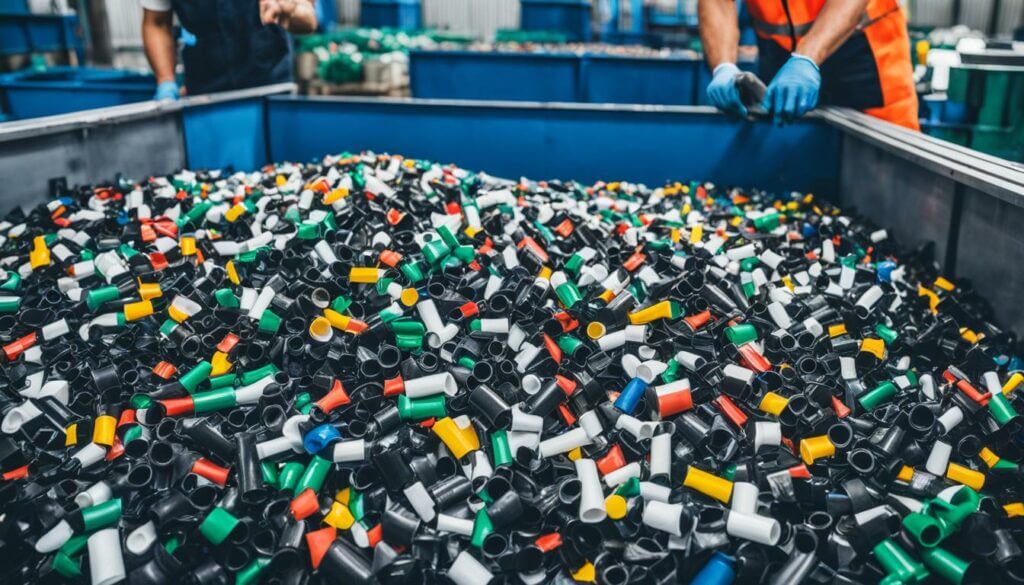
First, let us look at how recyclable plastics affect the environmental properties of PVC products. This material can be recycled and reused after the product's lifecycle ends, significantly reducing plastic waste and the need for new raw material extraction.
The following table compares the characteristics of several green materials to help you understand the viable options for eco-friendly PVC:
| Material Type | Biodegradability | Recycling Rate | Production Energy Consumption | Cost-Effectiveness |
|---|---|---|---|---|
| Bio-Based Plastics | High | Variable | Low to Medium | Medium |
| Renewable Plastics | Medium | High | Low | High |
| Recyclable PVC | Low | Very High | Medium | Medium to High |
As the table shows, each green material has its unique advantages and challenges. When selecting suitable eco-friendly PVC, you should consider your product requirements and ecological impact. The continuous pursuit of sustainability drives manufacturers and consumers to increasingly favor materials with lower environmental impact — this is not only a responsibility to the planet but also signals a new direction for industry development.
Revolutionary Technology: Environmental Advances in Micro Injection Molding
With the rapid development of energy-efficient molding technology and innovative processes, micro injection molding technology has made important advances in achieving environmental sustainability for PVC products. Combining advanced energy-saving equipment with refined process control, these innovative methods can effectively reduce waste generation, lower energy consumption, and improve production efficiency.
Recently, the industry has introduced several key technologies to address the high energy consumption and material waste issues in traditional injection molding processes, not only improving production techniques but also making positive contributions to environmental protection. Below we will further explore the results brought by these technological innovations.
| Innovative Technology | Energy-Saving Effect | Waste Reduction Effect | Process Improvement |
|---|---|---|---|
| Smart Temperature Control System | 15% energy savings | Reduced material preheating waste | Improved heating uniformity |
| High-Precision Servo Drive | 20% electricity savings | Reduced mechanical wear | Precise injection flow control |
| Real-Time Injection Parameter Monitoring | Reduced unnecessary running time | Reduced defective product output | Optimized production cycle |
| Quick Mold Change System | Shortened mold change time | Reduced standby machine waste | Accelerated production changeover efficiency |
Case Study: Successful Companies in Green Injection Molding
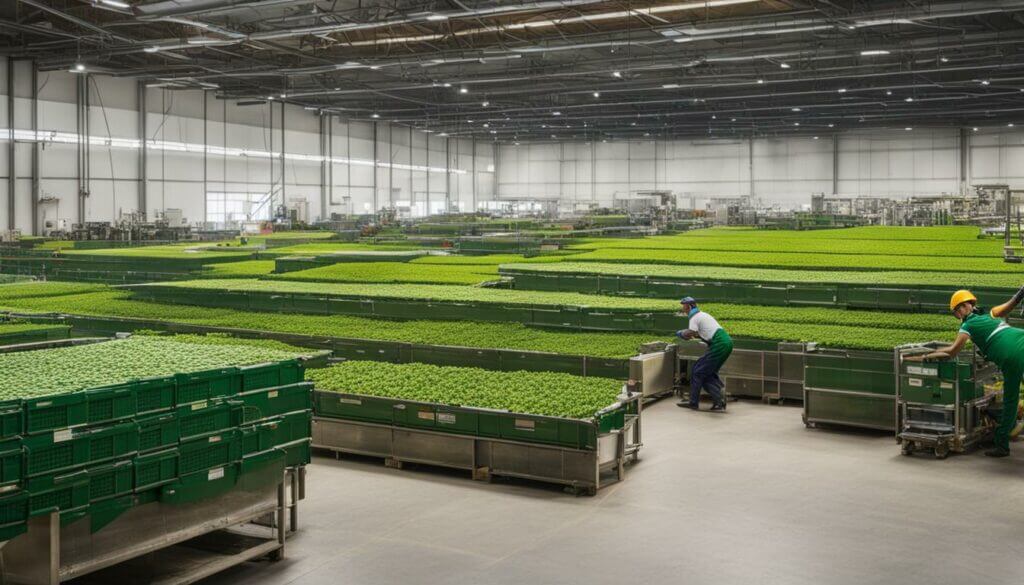
In today's business environment that values sustainability, some industry leaders have become successful examples of eco-friendly production. They have achieved outstanding results through micro injection molding technology and are driving green manufacturing forward on a global scale. Below are brief reviews of several representative companies, showcasing their innovative strategies and achievements.
| Company Name | Strategy Adopted | Environmental Achievements | Key Learnings |
|---|---|---|---|
| Company A | Using bio-based PVC to replace traditional PVC | Reduced carbon footprint, improved product recyclability | Bio-based materials can reduce environmental impact while maintaining product quality |
| Company B | Energy-efficient micro injection molding machinery | Reduced energy usage, decreased waste generation | High-efficiency machinery can effectively lower production costs and environmental damage |
| Company C | Complete product lifecycle assessment | Optimized product design, extended product lifespan | Reducing waste at the source and extending product life helps reduce overall environmental impact |
From these cases, you can see how industry leaders combine innovative thinking with technical methods to continuously advance their companies' eco-friendly production models and set exemplary standards for the entire industry. Their experience tells us that environmental protection is not a race that sacrifices economic efficiency, but rather a wise choice that promotes long-term enterprise growth and development.
From Raw Materials to Products: The Environmental Lifecycle of Micro Injection Molding
When discussing the product lifecycle, you might wonder: from raw material procurement to the product's final disposal, how does each stage affect the environment? First, starting with eco-friendly design, selecting recyclable or bio-based materials for manufacturing PVC products aims to reduce resource consumption and environmental pollution throughout the entire lifecycle.
Next, during the manufacturing stage, through rigorous lifecycle assessment, the amount of energy consumption and waste emissions in the manufacturing process of each product is determined, enabling process optimization and reduction of these environmental costs. For example, in the micro injection molding process, adopting advanced energy efficiency management systems ensures that less energy is consumed while producing high-quality products.
During the use phase, eco-friendly PVC products can provide performance equal to or even superior to traditional PVC while maintaining excellent durability and recyclability. Ultimately, in the final phase of the product lifecycle, by ensuring products can be easily recycled and reused or safely decomposed, we reduce environmental impact.
Continuous analysis and improvement throughout the entire lifecycle can help us find new ways to reduce the environmental impact of PVC products, while also proving that eco-friendly design is not just a concept but a tangible and actionable part of the entire production process.
Consumer and Market Demand for Eco-Friendly PVC Products
With the evolution of market trends, environmental awareness is increasingly becoming a key factor driving consumer choices. Today, consumer preferences have shifted from focusing solely on product price and functionality to placing high importance on environmental characteristics and social responsibility of products.
In this context, consumers seek PVC products that use eco-friendly materials, have transparent production processes, and offer recycling programs. For enterprises, this is not only a challenge but also an excellent market opportunity.
Enterprises that capitalize on this trend and develop products that meet consumer needs through innovative thinking can stand out in the competitive market. Understanding consumers' specific requirements for eco-friendly PVC products and adjusting product strategies accordingly is a topic that major enterprises cannot afford to overlook.
| Consumer Demand | Market Response | Enterprise Strategy |
|---|---|---|
| Low carbon footprint products | Providing carbon labels and carbon footprint information | Developing low-energy-consumption production technology |
| Recyclable or biodegradable materials | Expanding sustainable product lines | Seeking innovative solutions for alternative materials |
| Eco-friendly manufacturing certification | Eco-labels and certifications becoming more sought-after | Introducing international certification standards, improving product transparency |
| Corporate social responsibility reports | Market has higher expectations for corporate environmental practices | Publishing eco-friendly production processes and social responsibility practices |
Facing these demands, enterprises must establish more comprehensive environmental strategies, including optimizing production processes, adopting sustainable materials, and launching products with clear environmental messaging. Through these measures, enterprises can strengthen brand image and win consumer favor.
Government Policy Support for Eco-Friendly Injection Molding Technology
In the pursuit of green economic development, policy support plays a crucial role in driving industry transformation. Particularly for enterprises working with eco-friendly injection molding technology, various industrial subsidies and financial incentives have a significant motivating effect.
From the following table, you can see some typical policy support measures — these are government-funded examples for eco-friendly injection molding technology businesses to promote industrial green transformation:
| Policy Type | Specific Content | Expected Effect |
|---|---|---|
| Tax Incentives | Tax reductions for enterprises adopting eco-friendly technology | Reduce enterprise operating costs, encourage eco-friendly innovation |
| Direct Subsidies | Funding support for enterprises developing green products | Enhance R&D capabilities, accelerate commercialization of eco-friendly products |
| Research Funding | Providing funding for research institutions and enterprises to jointly develop green technologies | Promote collaboration between academia and industry, innovative technology development |
Beyond the above policies, government may further promote green economy development through other means, such as providing low-interest loans, establishing environmental benchmarks, and hosting environmental technology exhibitions and conferences. All of these will help expand the application scope of eco-friendly injection molding technology.
The Role of Green Certifications and Labels in PVC Products
In the current wave of sustainable consumption, eco-labels and environmental certifications have become important tools for consumers to identify eco-friendly products. Especially for the selection of sustainable products, these certification labels not only enable consumers to quickly distinguish PVC products that meet environmental standards but also bring positive brand image impacts for enterprises.
Eco-labels are not merely symbols — they represent products that have undergone rigorous environmental impact assessment, meeting specific standards from raw material collection and production processes through to product lifespan. Environmental certification is an affirmation of enterprises' continuous efforts to improve environmental standards, which is crucial for guiding and expanding market demand for eco-friendly PVC products.
The following are specific benefits of eco-labels and environmental certifications:
| Eco-Label/Certification | Benefits for Consumers | Benefits for Enterprises |
|---|---|---|
| Improved Recognition | Easy identification of product environmental attributes | Enhanced product market competitiveness |
| Optimized Choices | Making conscious purchases based on labels | Attracting environmentally conscious consumer groups |
| Trust Building | Increased trust and loyalty toward the brand | Improved brand image and corporate reputation |
Ultimately, this series of certifications and labels is not just trademarks or decoration — they represent a sense of environmental responsibility, promoting green transformation across the entire production chain. From reducing pollution at the source to ultimately achieving environmental and sustainable consumption goals, eco-labels and environmental certifications play an indispensable role.
Cost and Benefit Analysis: Is Eco-Friendly Injection Molding Cost-Effective?
For many enterprises, transitioning to environmental investment often comes with a series of cost considerations. However, from a long-term perspective, eco-friendly injection molding not only achieves significant cost savings but also brings considerable economic benefits to enterprises. Next, we will analyze the cost-effectiveness of this manufacturing process from various angles in detail.
First, regarding the funding requirements for initial equipment investment and technology R&D, while they may seem daunting, the long-term energy-saving effects and reduced raw material waste from such environmental investment can ultimately save enterprises substantial costs. Additionally, with increasing market demand for eco-friendly products, green manufacturing has also become an effective marketing strategy.
| Cost/Benefit Type | Traditional Manufacturing Process | Eco-Friendly Injection Molding Technology |
|---|---|---|
| Initial Investment | Lower | Higher |
| Energy Consumption | Higher | Lower |
| Raw Material Utilization | Inefficient | Efficient |
| Waste Disposal | High cost | Reduced cost |
| Long-Term Operating Cost | Gradually increasing | Reduced through energy savings |
| Market Competitiveness | Standard | Stronger |
In comprehensive comparison, although eco-friendly injection molding technology may require more environmental investment initially, considering the long-term energy-saving and waste-reduction measures, it can actually provide enterprises with cost-saving opportunities. Moreover, such transformation not only responds to the global call for environmental protection but also demonstrates corporate social responsibility.
Looking to the Future: Innovation Potential of PVC Micro Injection Molding
As we explore innovative R&D and forward-looking technologies that are continuously driving industry upgrades. The evolution of these technologies is opening the door to the future of PVC manufacturing, laying a solid foundation for the advent of the next generation of eco-friendly plastic products.
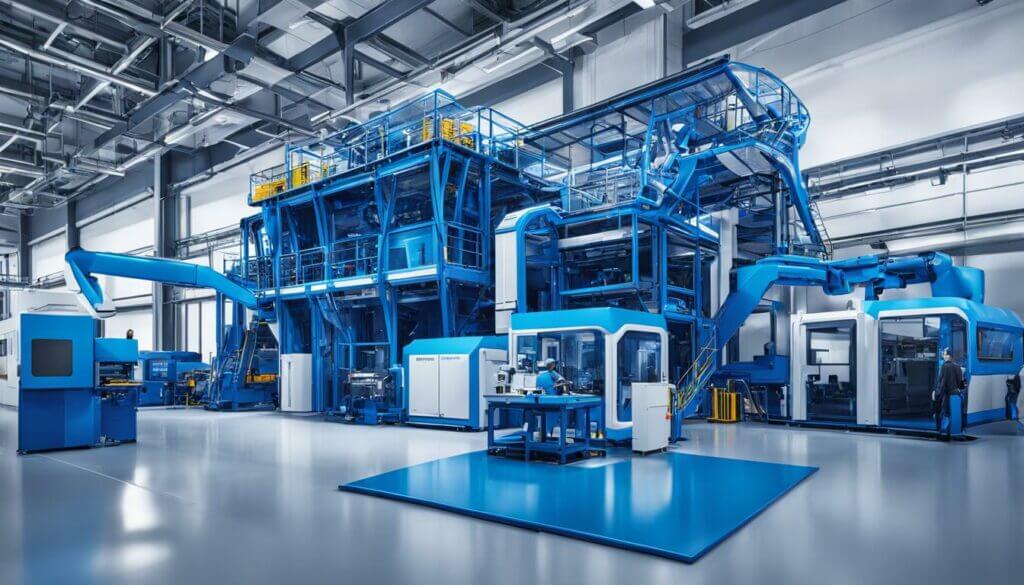
At the same time, the demand for green manufacturing and sustainable production models is also growing, which is precisely why enterprises must actively adopt and invest in these revolutionary technologies. Next, we will further explore how these technologies specifically impact production processes and how they create new value and opportunities for enterprises.
| Innovation Area | Technology Overview | Industry Upgrade Impact |
|---|---|---|
| Smart Manufacturing | Using big data and AI to optimize production efficiency | Improving product quality, reducing production waste |
| Eco-Friendly Materials | Developing new biodegradable PVC alternatives | Reducing environmental pollution, meeting international green standards |
| Energy-Efficient Processes | Using low-energy-consumption equipment for injection molding | Reducing energy costs, improving energy utilization efficiency |
| Automated Processes | Application of robots and automation equipment on production lines | Reducing labor requirements, achieving more consistent product quality |
In the future, we will continue to witness how innovative R&D-driven forward-looking technologies will prompt the PVC manufacturing industry to transform and upgrade, bringing more eco-friendly and high-quality plastic products to the world.
How to Transform: Strategies for Enterprises to Implement Eco-Friendly Injection Molding
To help your enterprise smoothly transform to eco-friendly injection molding, this section provides a detailed transformation guide covering practical steps from material selection to production processes, helping you begin a new chapter of sustainable business operations.
| Transformation Strategy | Practical Steps | Implementation Focus |
|---|---|---|
| Select Appropriate Materials | Analyze material sources, environmental performance, and cost-effectiveness | Seek sustainable supply chains, select raw materials that meet green standards |
| Technology Innovation | Adopt the latest energy-efficient molding technology and equipment | Invest in R&D to reduce energy consumption and improve production efficiency |
| Internal Training | Organize employee participation in eco-friendly manufacturing training | Enhance employee awareness and engagement in sustainable production |
| Process Optimization | Regularly review and adjust production processes | Reduce waste, optimize resource allocation |
In implementing the above strategies, continuous review and adjustment are key to achieving sustainable business operations. You can ensure your enterprise fulfills its environmental commitments while achieving economic efficiency by continuously monitoring environmental performance indicators.
Conclusion
Through the exploration in this article, we have gained an in-depth understanding of the contributions of PVC Micro Injection Molding technology to achieving eco-friendly production. From material selection to the final product's lifecycle, the concept of continuous improvement serves as the core driving force for further reducing environmental impact. It clearly demonstrates that for the plastic manufacturing industry, adopting eco-friendly technology is not only a responsibility but also a requirement for sustainable industry development.
Reviewing this series of continuously innovative eco-friendly manufacturing methods, we realize that environmental responsibility is not the mission of a single enterprise but a crucial element for the entire industry chain to invest in sustainable manufacturing transformation. From the use of green materials to the development of energy-efficient molding technologies, every step reveals the unlimited potential and challenges of a sustainable industry future.
Your support and participation are crucial for driving this green industrial revolution. When consumers favor eco-friendly products, enterprises will more actively invest in R&D and innovation, forming a healthy cycle that promotes both ecological conservation and economic growth. It is precisely this market force that will continue to drive the PVC manufacturing industry toward a greener, more environmentally friendly future.