

In the field of precision manufacturing, PVC Micro Injection Molding technology continues to grow in importance. By precisely controlling the various parameters of the molding process, you can not only produce dimensionally accurate, finely detailed high-quality products but also significantly reduce the product defect rate. This article will guide you through how to set appropriate PVC micro injection molding machine parameters for different application scenarios to achieve optimal molding results.
Key Takeaways
- Understand the basic principles and application scope of PVC micro injection molding.
- Learn how to accurately control the operating parameters of the injection molding machine.
- Recognize the importance of material selection on injection molding quality.
- Master the key role of mold design in micro injection molding.
- Select the appropriate injection machine and effectively set operating parameters.
- Fine-tune injection pressure to optimize molding quality.
Introduction to PVC Micro Injection Molding
In today's precision manufacturing field, PVC Micro Injection Molding technology is a very crucial component. This technology allows for the manufacture of extremely small components while maintaining high precision and complexity, with widespread applications in high-end markets such as medical, electronic communications, and more. Micro injection molding requires specialized equipment and precise parameter control to ensure product quality.
The reason for discussing PVC material is its unique physical and chemical properties. PVC has good chemical stability and corrosion resistance, and with the help of various additives, its hardness, elasticity, and other properties can be adjusted, making it an excellent choice for micro injection molding. Additionally, the environmental impact and production efficiency of PVC during the molding process are also focuses of engineering attention.
To gain a deeper understanding of PVC micro injection molding details, below is a simplified molding process table indicating the importance of each stage in the overall manufacturing process.
| Process Stage | Importance | Key Considerations |
|---|---|---|
| Material Preparation | Ensures PVC raw material purity and quality | Avoid foreign material contamination that affects molding results |
| Machine Setup | Precise control of injection molding parameters | Adjust equipment settings based on product requirements |
| Molding Process | Forms the required product structure and dimensions | Closely monitor temperature, pressure, and other parameters |
| Post-Processing | Enhances product appearance and performance | Perform cutting, grinding, and other finishing as needed |
Mastering this foundational knowledge will help you gain a deeper understanding of micro injection molding technology and lay a solid foundation for more advanced technical discussions, such as parameter control and material selection.
Micro Injection Parameter Control
When performing PVC micro injection molding, precise parameter control is one of the keys to success. This section focuses on four key areas: "temperature regulation," "pressure settings," "time control," and "speed management."
Temperature regulation is an extremely critical factor for PVC materials — proper melt temperature ensures that finished products have good physical properties and surface finish. Pressure settings directly affect the density and dimensional accuracy of molded products, especially in micro injection molding where pressure control must be precise.
| Parameter | Control Focus | Practical Application |
|---|---|---|
| Temperature Regulation | Maintain stable and appropriate melt temperature | Set according to PVC material specifications |
| Pressure Settings | Accurately control injection and holding pressure stages | Adjust based on product size and structure |
| Time Control | Precisely time the duration of injection and holding pressure stages | Use experimental data as the basis for settings |
| Speed Management | Control injection speed to ensure uniform filling | Adjust based on mold design and product conditions |
Time control requires precise mastery of every moment from injection to the cooling stage to avoid incomplete filling or excessive shrinkage. The equally important speed management is another measure for maintaining product quality — injection speeds that are too fast or too slow will negatively affect the molded product.
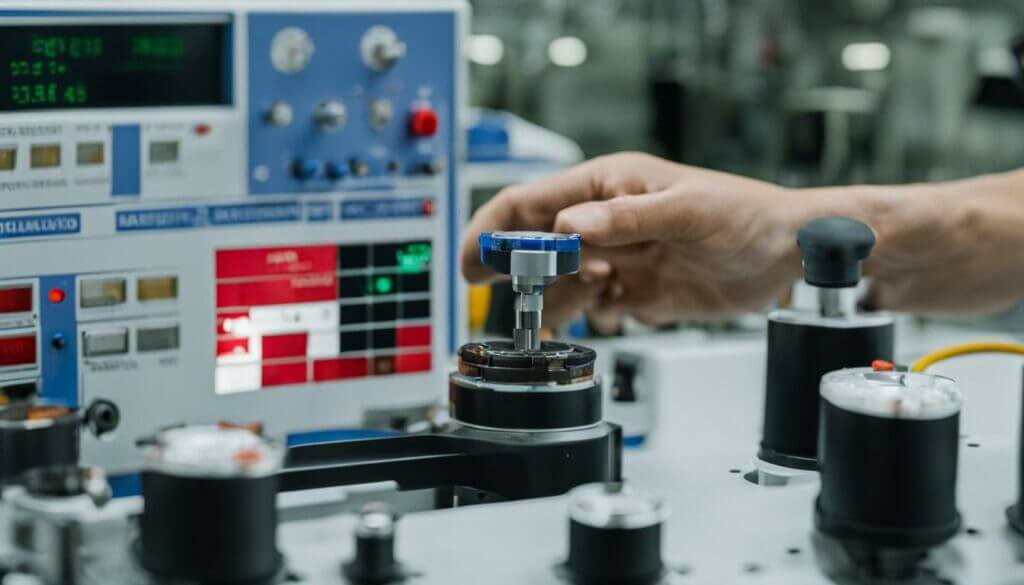
The Impact of Material Selection on Injection Molding
In the micro injection molding process, material selection has a significant impact on product quality and performance. How to choose the most suitable PVC-type material based on the product's application characteristics becomes a major focus. Proper material selection can extend mold life, reduce process defects, and enhance the functional properties of the final product.
Heat resistance and chemical stability are the primary considerations when selecting PVC materials. Some products may be exposed to high temperatures or specific chemical environments, so choosing materials that can withstand these conditions is an important factor in ensuring product quality.
Additionally, flowability directly affects injection molding efficiency and finished product surface quality. The better the material's flowability, the stronger its ability to fill the mold during molding, effectively producing precise and complex product components.
In terms of economic benefits, the cost-effectiveness of materials is also an aspect enterprises cannot overlook. Recyclability can reduce material costs and support environmental goals without affecting product quality and performance.
For professional micro injection molding manufacturers, gaining a deep understanding of these key material characteristics and selecting materials based on specific application requirements will directly determine the high performance of the molding process and the market competitiveness of the products.
The Importance of Mold Design in Micro Injection Molding
In the micro injection molding process, mold design plays a critically important role. A well-designed mold can not only ensure the fine details and complexity of the product but also improve production efficiency and reduce defect rates. Correct mold design can accelerate cooling speeds, enhance molding stability, and reduce material waste. To ensure the mold achieves optimal performance, you need to consider the following key factors.
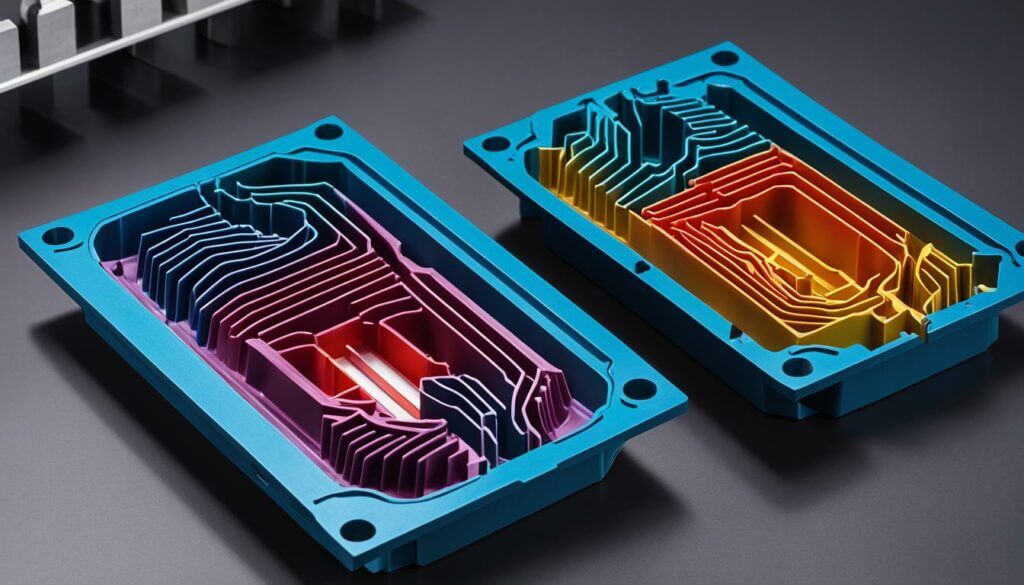
First, the dimensional accuracy of cavities and cores is the foundation for achieving high-quality products. Second, the mold's venting system design must effectively expel gases to prevent burn marks and air bubble formation. Furthermore, the layout of the feed system also directly affects the product's filling balance and cooling efficiency. The table below details several key elements of mold design and their impact on molding quality:
| Mold Design Element | Impact on Molding Quality | Key Considerations |
|---|---|---|
| Cavity & Core Accuracy | Determines product dimensional and shape precision | Requires high-precision equipment for machining |
| Venting System Design | Prevents burn marks and air bubble formation | Properly distribute venting positions and sizes |
| Feed System Layout | Affects product filling balance and material uniformity | Optimize design to ensure runner balance |
| Cooling System Design | Directly relates to production cycle and product deformation | Cooling channels should be individually analyzed to improve efficiency |
Once you understand these key factors and their interactions, you can work with professional mold manufacturers to create the most suitable micro injection mold for your specific needs. High-quality mold design will directly bring considerable economic benefits to your production process and improve product competitiveness.
Injection Machine Selection and Setup
Selecting the right injection machine is a critical step in ensuring PVC micro injection molding quality. When facing numerous brands and models, how do you choose the equipment most suitable for your production line? With this question in mind, let us explore the important performance parameters and setup techniques for injection machines.
First, understanding the injection machine's **injection capacity** and **clamping force** is essential — these two parameters directly affect product quality and production efficiency. The injection capacity must meet the size requirements of the product, while the clamping force must be sufficient to prevent mold splitting.
Next, the injection machine's **precision control system** is indispensable for ensuring product consistency and achieving precise injection conditions. Good mechanical stability and an easy-to-operate user interface should also be considered when making your selection.
Additionally, the energy consumption of the machine during injection molding is a factor that cannot be overlooked. **Energy-efficient injection machines** can often reduce unnecessary expenses for enterprises while responding to the global trend of energy conservation and carbon reduction.
| Performance Parameter | Injection Capacity | Clamping Force | Machine Stability | Energy Consumption |
|---|---|---|---|---|
| Importance | Ensures product size requirements | Prevents mold splitting | Improves product consistency | Reduces production costs |
As your reliable companion in the injection molding journey, selecting an injection machine is not just a technical decision — it is a business investment. Grasp the key points above and select a machine that can bring stable returns to your production line, taking you further on the path of PVC micro injection molding.
Injection Pressure Regulation and Control
In the PVC micro injection molding process, injection pressure is one of the key factors affecting finished product quality. Correctly adjusting injection pressure ensures the accuracy of molded products and proper material flow. For example, excessively high injection pressure may cause residual stress and deformation, while pressure that is too low may result in incomplete filling.
Below is a simple pressure regulation reference table. You can use the following data for initial adjustments and then make fine-tuning based on actual conditions:
| Injection Stage | Recommended Pressure Range | Common Issues |
|---|---|---|
| Early Filling | Low to medium pressure | Incomplete filling |
| Mid Filling | Medium to high pressure | Increased stress |
| Late Filling | High pressure | Flash, deformation |
| Holding Stage | Reduced to medium pressure | Shrinkage, sink marks |
It is important to note that different mold designs, material characteristics, and the actual condition of the injection machine will all affect pressure control. Continuous testing and optimization are essential means for ensuring stable production.
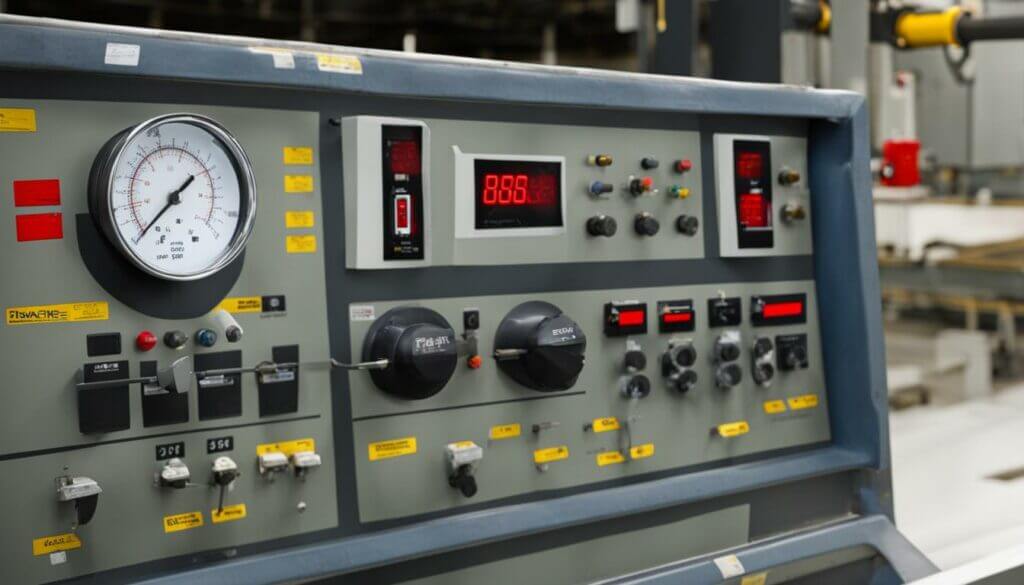
When encountering special situations, such as material viscosity changes or abnormal mold temperatures, you may need to make more precise pressure adjustments. In such cases, remember to monitor various data during the production process, including pressure curves, to ensure molding quality consistency.
Factors Affecting Injection Speed
Mastering injection speed is an important aspect of ensuring PVC micro injection molding quality. Speed adjustments have a significant impact on the molding cycle, the flow behavior of the plastic melt, and the physical properties of the final product. Through scientific analysis methods, you can understand the actual effects of injection speed on products and make precise adjustments based on product requirements.
| Influencing Factor | Description | Countermeasure |
|---|---|---|
| Material Characteristics | PVC material melting point, viscosity, and other physical properties. | Adjust injection speed according to specific material characteristics. |
| Mold Design | Runner design, gate size, mold temperature, etc. | Communicate with mold manufacturers to optimize mold design. |
| Injection Machine Performance | Precision control level and performance stability of the injection machine. | Select high-performance injection machines and perform regular maintenance. |
| Product Complexity | Product size, wall thickness, shape complexity. | Fine-tune speed for different product characteristics. |
| Environmental Factors | Changes in work environment temperature and humidity. | Monitor environmental conditions in real-time and make adjustments. |
Understanding and mastering these key factors can help you develop more precise injection molding strategies, thereby improving product quality, reducing defect rates, and effectively shortening production cycles for cost control. When you combine these factors with actual operations, you will achieve optimal injection speed, bringing the best returns to your micro injection molding projects.
Precision Control of the Temperature System
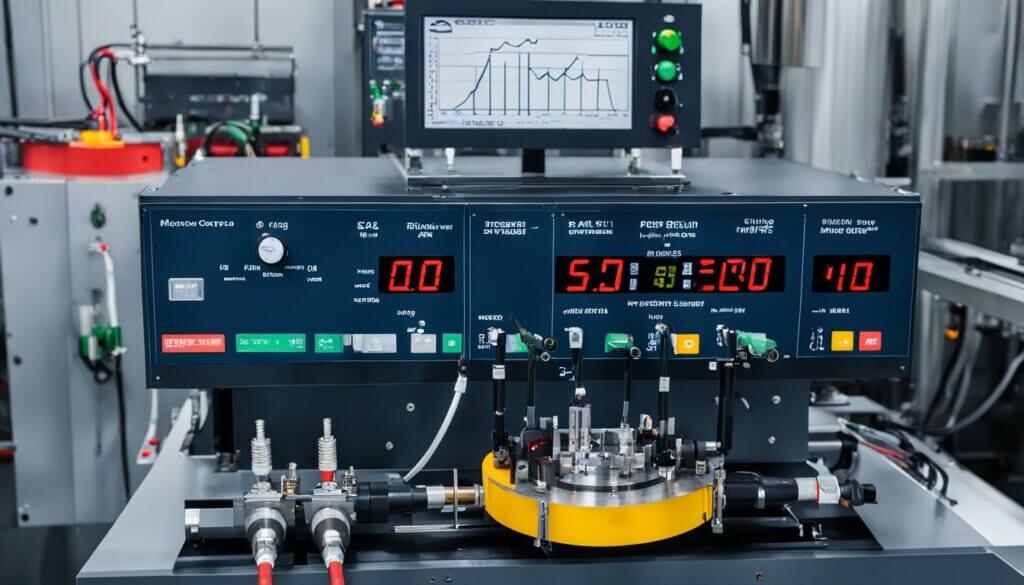
For those engaged in PVC micro injection molding, mastering the techniques of the temperature control system is key to ensuring product quality and precision. An efficient temperature control system provides stable processing conditions, ensuring that PVC material has good flowability and filling properties during the injection molding process, while also ensuring uniform mold temperature to prevent product dimensional inconsistencies or defects caused by temperature fluctuations.
Appropriate temperature settings ensure PVC resin melts and flows smoothly, forming the desired product shape during the cooling and solidification process. A high-quality temperature control system should include the following features: high accuracy, fast response speed, ease of operation and maintenance, and good system stability.
| Temperature System Feature | Importance in Micro Injection Molding | Practical Application Example |
|---|---|---|
| High-Accuracy Temperature Control | Ensures material melts at optimal temperature, prevents defects | Custom medical device component production |
| Fast-Response Heating System | Quickly reaches set temperature, improves production efficiency | Complex structure consumer electronics components |
| User-Friendly Interface | Simplifies operating procedures, reduces operation errors | Small-batch, high-precision industrial parts manufacturing |
| Good System Stability | Maintains consistent production quality, reduces downtime | Mass production of automotive accessories |
Professional temperature management
is not only critical for producing the highest quality PVC products but can also significantly improve your production efficiency and economic returns. Investing in temperature control system refinement will bring long-term benefits to your injection molding business.
Cooling Time and Its Impact on Product Quality
In the PVC micro injection molding process, cooling time is one of the key factors determining product quality. The cooling stage has a significant impact on the product's dimensional accuracy, surface smoothness, and structural integrity. Appropriate cooling time ensures product quality stability and reduces the occurrence of molding defects.
Let us delve into several important parameters regarding how cooling time affects molding quality:
| Cooling Time Factor | Product Quality Impact | Adjustment Recommendation |
|---|---|---|
| Insufficient Cooling Time | May cause product deformation or dimensional inaccuracy | Moderately extend cooling time to prevent demolding before the product is fully set |
| Excessive Cooling Time | Reduced productivity, increased production costs | Precisely calculate optimal cooling time, optimize production efficiency |
| Uneven Cooling | Causes localized shrinkage or increased internal stress in the product | Optimize cooling system design to ensure uniform cooling |
Screw and Back Pressure Adjustment Strategies
In the PVC micro injection molding process, precise adjustment of the screw and back pressure is critically important. Accurate control of these two parameters not only affects plastic part quality but also relates to production efficiency and material consumption, directly involving cost control and product competitiveness.
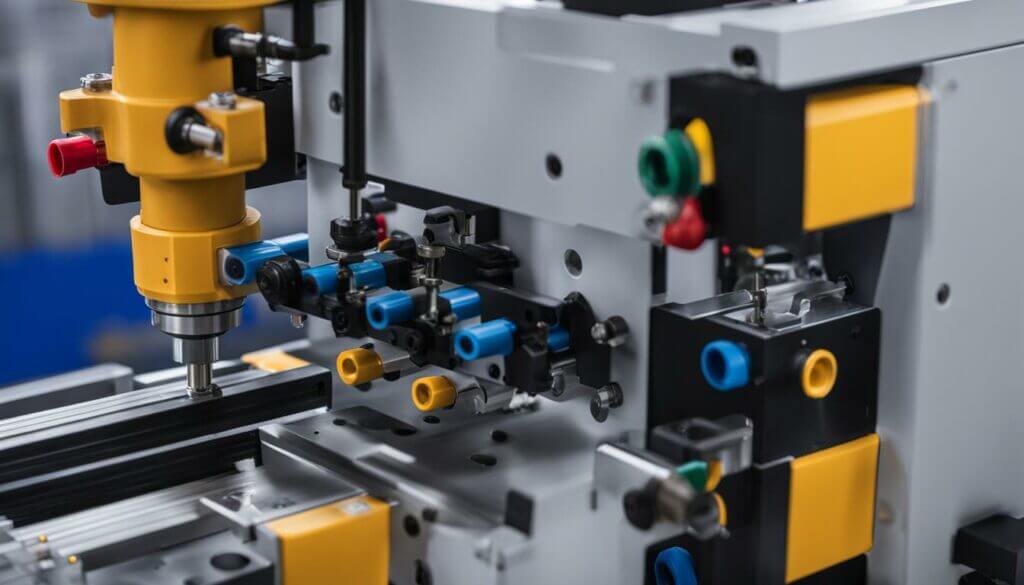
Adjusting the screw speed ensures uniformity during the plastic melting process. Speeds that are too fast may cause shear overheating, while speeds that are too slow may result in incomplete melting. At the same time, back pressure adjustment is used to ensure stability during the filling process, preventing the formation of air bubbles and shrinkage. Listed below are some screw and back pressure adjustment strategies generally suitable for PVC micro injection molding, which will help you better master the production process.
| Screw Speed | Recommended Speed Range | Back Pressure | Recommended Pressure Range |
|---|---|---|---|
| Low Speed | 40 - 70 rpm | Low Back Pressure | 50 - 100 bar |
| Medium Speed | 70 - 100 rpm | Medium Back Pressure | 100 - 150 bar |
| High Speed | 100 - 150 rpm | High Back Pressure | 150 - 200 bar |
When adjusting these parameters, you need to fine-tune based on specific production conditions and plastic part requirements. These ranges are for reference only — you will also need to conduct actual testing based on the material characteristics and mold design. Through continuous experimentation, finding the optimal parameter combination will help you obtain high-quality products and achieve efficient production.
Metering Process Control
In PVC micro injection molding, the metering process plays the important role of ensuring finished product quality consistency. A reliable metering system can help you precisely control the amount of plastic injected each time, thereby reducing scrap rates and maximizing production efficiency.
Below are several key points for metering process optimization to bring your micro injection molding operations to industry-leading standards:
- Ensure the accuracy and consistency of metering instruments to provide repeatable injection volumes.
- Regularly calibrate the metering system to prevent deviations caused by extended operation.
- Monitor material temperature and back pressure during the production process, as these parameters directly affect metering accuracy.
To further illustrate the importance of metering process control, we have compiled a comparison table showing the difference in product quality between well-controlled and poorly controlled metering.
| Quality Characteristic | Good Metering Control | Poor Metering Control |
|---|---|---|
| Dimensional Stability | High | Low |
| Surface Gloss | Uniform and consistent | Uneven |
| Mechanical Strength | Meets standards | Inconsistent |
| Production Scrap Rate | Low | High |
Since metering process control is critically important for injection molding, it is recommended to use intelligent equipment for monitoring. This allows for real-time parameter adjustments and rapid response to any anomalies during the production process.
The Impact of Maintenance on Successful Injection Molding
For those dedicated to PVC micro injection molding, maintaining equipment **maintenance** can not only ensure production stability but also improve product quality and reduce unnecessary economic losses. A comprehensive maintenance plan includes mechanical inspections, lubrication system maintenance, electrical system inspections, and safety system assessments. Regular inspections and maintenance can prevent and resolve issues before they occur, avoiding production line downtime and the quality degradation caused by failures.
Through professional maintenance, the injection machine can be calibrated to maintain the accuracy of key parameters such as injection pressure, speed, time, and temperature. Additionally, **preventive maintenance** can promptly identify worn parts, reducing unexpected repair costs and time, which is crucial for the year-round operation of a robust production line.
To improve the practical effectiveness of maintenance, here are some specific and effective recommendations:
- Establish maintenance cycles and develop corresponding inspection checklists.
- Learn and apply professional knowledge to fully understand potential abnormalities in the production process.
- Have the necessary maintenance tools and materials ready to ensure the smooth progress of maintenance procedures.
- Maintenance personnel should have a comprehensive training program to improve their professional ability in problem diagnosis and resolution.
- Establish maintenance record files detailing the time, content, and results of each maintenance session.
Combined with the use of automated monitoring systems, equipment operating conditions can be effectively monitored, providing early warnings of potential equipment failures, making maintenance work more accurate and timely. Overall, **ongoing maintenance** will become an important cornerstone for improving your injection molding efficiency and quality.
Case Study: PVC Micro Injection Molding Case Analysis
In this section, we will conduct an in-depth analysis of an actual PVC micro injection molding case, examining the important factors affecting molding quality. From material selection in the preparation phase to variable control during the molding process, every step is critically important. Through this case, you will understand how to adjust parameters in a timely manner to achieve maximum efficiency and optimal quality.
The project team selected suitable PVC materials based on product requirements and made precise adjustments to the mold design. The injection machine's temperature settings, pressure and speed controls, and other parameters were all rigorously calculated and tested to ensure production process stability. The table below summarizes the relationships between parameter settings and product quality in the case.
| Parameter | Set Value | Impact Analysis |
|---|---|---|
| Injection Pressure | 750 bar | Increased pressure facilitated material filling of the mold cavity, improving product surface quality. |
| Injection Speed | 90 mm/s | Appropriate injection speed ensured uniform material flow, reducing product defect rate. |
| Mold Temperature | 60°C | Proper mold temperature accelerated molding solidification, shortening the production cycle. |
| Cooling Time | 25 seconds | Sufficient cooling time ensured product structural stability, preventing deformation. |
| Back Pressure | 15 bar | Moderate back pressure adjustment greatly aided material plasticization and gas expulsion. |
Through this case analysis, it is clear that precise parameter settings are the key to success in PVC micro injection molding. The combined optimization of each step not only provided clients with high-quality products but also brought high efficiency and cost-effectiveness to the manufacturing process.
Common Problems and Solutions
In the PVC micro injection molding process, engineers frequently encounter some common problems. Understanding the causes of these problems and their corresponding solutions is crucial for improving production efficiency and product quality. Below is a summary of typical problems and their resolution strategies:
| Problem Description | Possible Cause | Solution |
|---|---|---|
| Molding Defects | Mold temperature too low or too high | Adjust mold temperature based on actual conditions |
| Short Shot | Insufficient injection pressure | Increase injection pressure and ensure uniform injection |
| Product Deformation | Insufficient cooling time | Extend cooling time and perform post-processing on finished products |
| Excessive Internal Stress | Mismatch between injection speed and back pressure | Adjust injection speed and back pressure, balance molding conditions |
| Uneven Color | Uneven color mixing or unstable raw material properties | Improve raw material mixing process, use quality-stable raw materials |
When encountering the above problems, detailed process inspections and adjustments should be conducted to ensure the stability and efficiency of PVC micro injection molding.
Conclusion
Through this article's discussion, you should be able to clearly understand the importance of **parameter settings** as the core framework for successful PVC micro injection molding. From material selection, mold design, to injection machine selection and setup, each step has a profound impact on product quality.
Regarding the precise control of **injection pressure** and **injection speed**, as well as temperature system management, we have learned that even small differences in these parameters can lead to significant changes in the finished product. Therefore, continuous process monitoring and timely adjustments are critically important. At the same time, **cooling time** also holds an important position in injection molding, as it directly relates to your production efficiency and the structural integrity of the product.
When it comes to screw and back pressure adjustment strategies, proper metering process control, and equipment maintenance, we recognize their importance in maintaining molding quality and extending equipment lifespan — this cannot be overlooked. Finally, through case analysis, we have mastered the connections between theory and practical operations, and understood the solutions when facing problems. The accumulation of this knowledge is indispensable for achieving success in the field of PVC micro injection molding.