

In high-standard production environments, micro injection molding technology is particularly important, especially when handling precision components such as PVC quality control. For professional manufacturers, this presents a significant challenge. This technology emphasizes not only production efficiency but also the accuracy and uniformity of finished products. Successful precision injection molding plays a decisive role in product functionality and market competitiveness. GoWell Enterprise, with its professional custom product manufacturing, demonstrates the importance of precision control at every production stage, ensuring that each product meets the customer's high-quality standards.
Key Takeaways
- Precision mold design is critical to achieving high-quality PVC micro injection molding.
- Selecting the right injection molding machine and precisely adjusting parameters ensures dimensional accuracy of finished products.
- PVC raw material selection and preprocessing directly affect injection molding quality and efficiency.
- Temperature and humidity control of the operating environment cannot be overlooked for maintaining high-quality PVC micro injection products.
- Continuous production monitoring and quality management ensure products meet quality standards right off the production line.
Overview of PVC Micro Injection Molding and Its Importance
In today's manufacturing industry, advances in plastic molding technology have driven revolutionary developments in products across various fields. PVC injection molding, with its excellent material properties and wide applications, particularly in micro injection applications, demonstrates irreplaceable importance. From precision medical instruments to advanced consumer electronics undergoing plastic transformation, PVC's high performance and plasticity make it an indispensable material choice for many products.
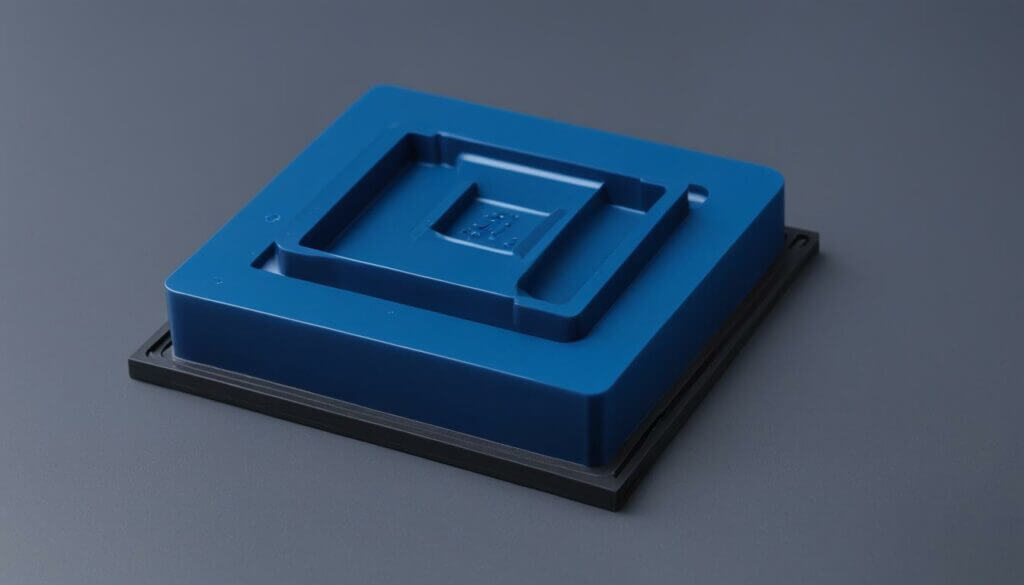
The core of the injection molding process lies in precisely injecting molten plastic into a mold under high pressure, which then cools and solidifies to form the required components. This technology provides assurance for achieving product functional details and structural strength. Especially for micro injection applications in PVC processing,
Fundamentals of Injection Molding Technology
Injection molding technology involves multiple key process optimization steps: from plastic material selection and preparation, to mold design and manufacturing, to the fine-tuning of injection parameters. Mastery of each stage directly affects the quality and market performance of PVC micro injection products.
PVC Material Properties and Application Range
The advantages of polyvinyl chloride (PVC) are self-evident. It not only provides superior chemical resistance and mechanical strength but also has excellent insulation properties and processing adaptability. When selecting PVC, consideration must also be given to the plasticizers or other additives used to ensure the final product performs optimally in its application field. Correct material selection lays a solid foundation for high-performance and long-lasting products.
Mold Design and Product Quality
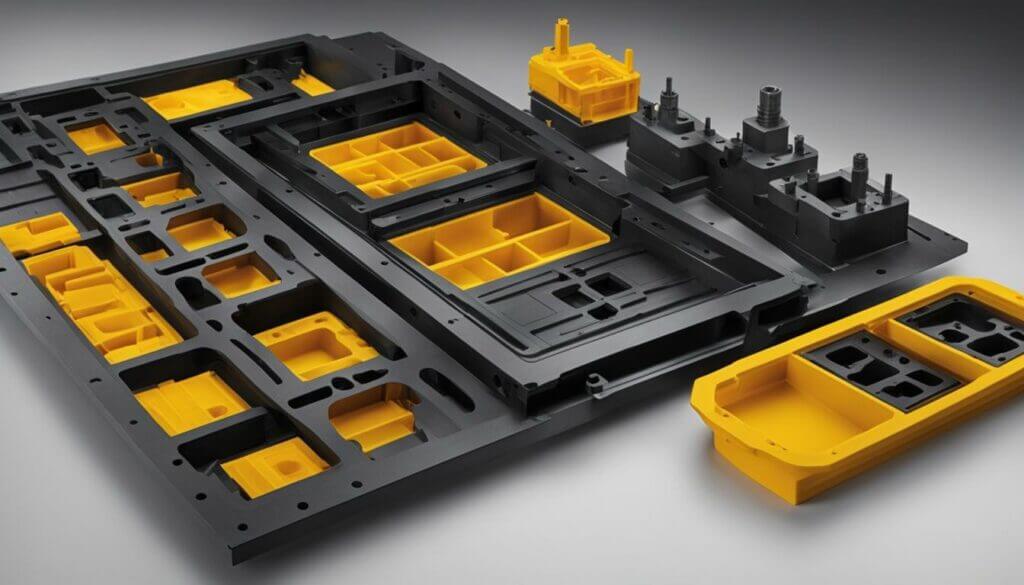
In the field of precision manufacturing, precise mold design is an important prerequisite for achieving high-quality injection molded products. A well-designed mold ensures accuracy and efficiency in the production process, significantly improving product quality while reducing costs. Additionally, mold material selection and processing techniques, such as compression resistance and wear-resistant molding characteristics, play a decisive role in ensuring mold longevity and maintaining product consistency.
Impact of Mold Precision on Product Quality
Mold precision is key to achieving high-quality injection molded products, especially in the micro injection field. Mold precision is directly related to the dimensional tolerances, surface texture and detail processing, and overall structural integrity of the molded product. Innovation in mold-making technology has further enhanced mold design capabilities.
Mold Material Selection and Quality Control
For a quality mold, material selection is an aspect that cannot be overlooked. The material must not only withstand the high pressure of the injection process but must also demonstrate excellent heat treatment results, which directly relates to mold material selection and wear-resistant molding performance. The properties of different materials, such as thermal expansion coefficient and thermal conductivity, also affect the precision and appearance of the finished product.
Injection Molding Machine Selection and Setup
In the PVC micro injection process, molding machine selection has a decisive impact on molding quality and production efficiency. Considering production scale, precision requirements, and the complexity of molded products, selecting the right molding machine is key to ensuring product quality and strengthening market competitiveness.
When evaluating molding machines, we must emphasize equipment precision. This means the machine must functionally provide precise control to avoid dimensional deviations. Furthermore, for continuous production requirements, the molding machine must have high production continuity, making mass production possible.
On the other hand, the introduction of automated control provides operational stability and repeatability for injection molding machines, strengthening the precision of every subtle step in the production process. Today, advanced molding machines on the market are equipped with intelligent monitoring systems that can adjust and optimize process parameters in real time, ensuring every step in the injection molding process meets established standards.
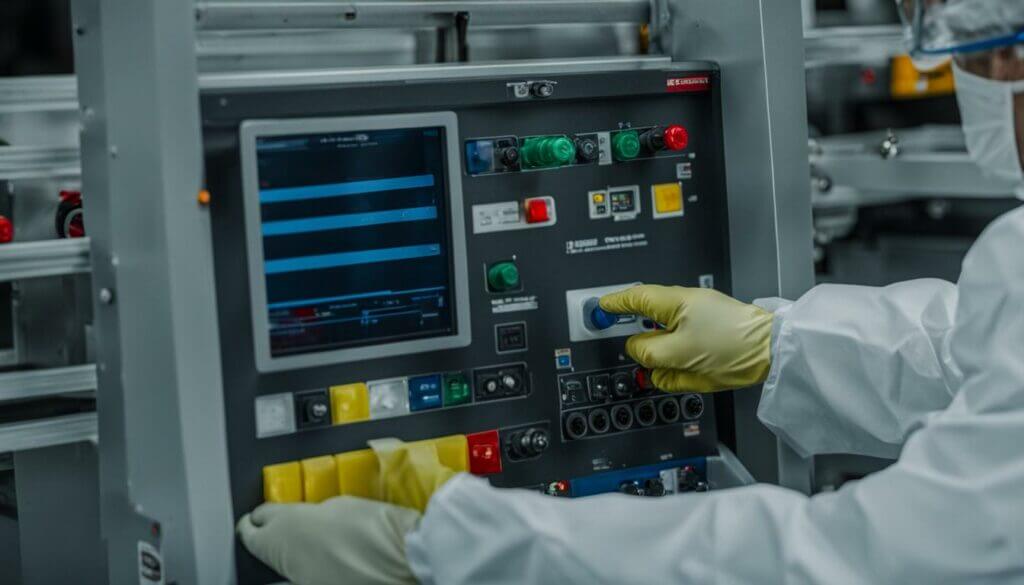
From the molding machine's clamping force to injection volume, to plasticizing capacity, all these factors should be individually considered to select the most suitable machine model for the specific application. For example, the molding machine needed for micro injection of small parts is obviously different from the machine model used for large automotive parts production, demonstrating the importance of selecting adaptable equipment.
Ultimately, injection molding machine selection and setup is the cornerstone of achieving economically efficient production. From the very beginning of product design, all factors related to molding machine characteristics should be thoroughly considered to ensure smooth production processes and consistent product quality.
Effects of Injection Molding Parameter Adjustment on Quality
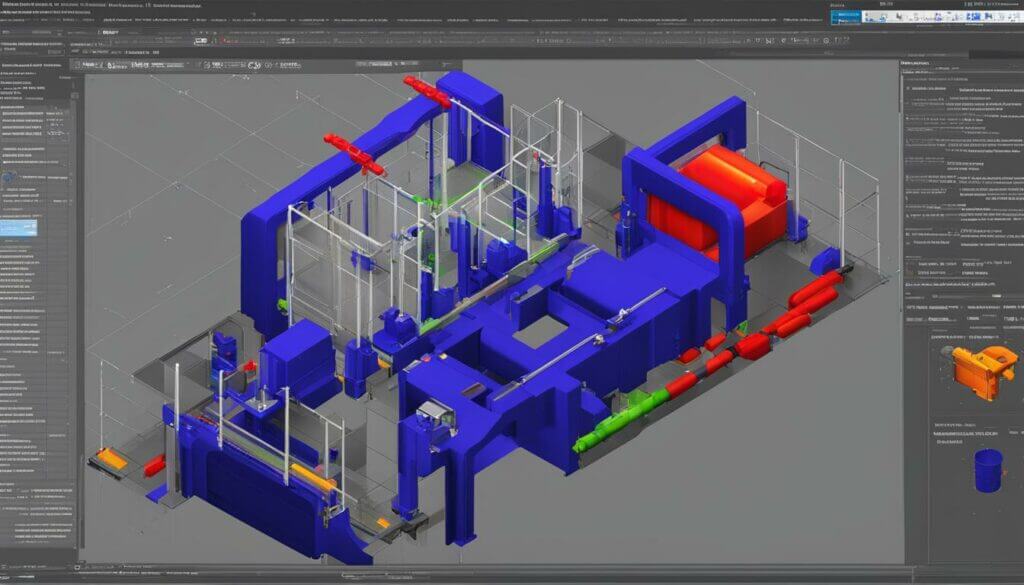
In the PVC micro injection process, proper parameter settings play a decisive role in the quality of finished products. Facing the challenges of injection pressure control and speed optimization, technicians must precisely control the plastic filling pattern to achieve molding quality improvement. Additionally, holding pressure stage settings and cooling time control are instrumental in finished product stability and residual stress management.
Optimization of Injection Pressure and Speed Settings
Injection pressure control and speed adjustment must be at the right balance point to ensure products achieve the expected precision and quality. For demanding micro injection molding, excessive pressure may damage the mold or cause defects such as shrinkage and stress whitening on molded products. Therefore, ensuring stable injection pressure while achieving efficient speed optimization is a key step in improving product quality.
Impact of Holding Pressure Stage and Cooling Time
After filling is complete, holding pressure stage settings ensure that the material maintains constant pressure in every corner of the mold, thereby reducing deformation and shrinkage rate of the finished product. Appropriate holding pressure and time depend on product stability control requirements, as well as material and mold design characteristics. Cooling time control affects the demolding time and cooling uniformity of the product. Uneven cooling can cause warping or internal stress issues, which directly affect the product's appearance quality and structural stability.
Impact of Raw Material Properties on Micro Injection Molding
In industrial production, raw material selection is crucial to achieving high-quality micro injection molded products. A suitable raw material must not only meet the product's usage performance requirements but must also consider its material flowability during the molding process. Particularly when handling PVC micro injection, raw material selection and formulation can significantly affect the quality of the final product.
In addition to strict control of raw material formulation, the raw material preprocessing process, such as drying and heating, is also an indispensable step. This process ensures raw material quality before injection, preventing defects in molded products caused by moisture or temperature issues, thereby achieving quality targets.
| Raw Material Type | Flowability | Applicable Micro Injection Product Types | Preprocessing Requirements |
|---|---|---|---|
| Standard PVC | Medium | General consumer electronics casings | Basic drying |
| Plasticized PVC | High flowability | Flexible medical devices | Temperature and humidity control |
| Flame-Retardant PVC | Low flowability | Fire protection for electronic components | High-level drying |
| Ultra-High Molecular Weight PVC | Low | Wear-resistant industrial parts | Professional-grade drying and heating |
From the table above, it is clear that different raw material properties directly affect material flowability and the applicable range of the final product. For example, plasticized PVC, with its high flowability, is suitable for micro injection molding of flexible medical devices. However, it has higher requirements for preprocessing conditions such as temperature and humidity control to ensure the finished product meets stringent medical product standards.
In summary, through rigorous raw material selection and optimized preprocessing, the efficiency of micro injection molding can be significantly improved while ensuring product quality. This involves not only the material's inherent physical properties but also a deep understanding and control of the factors that influence the manufacturing process.
Environmental Factors Affecting PVC Micro Injection Molding
In the PVC micro injection process, temperature and humidity control are key quality control factors. Moreover, a clean production environment and rigorous dust management also play a decisive role in production efficiency and quality stability.
Importance of Temperature and Humidity Conditions in the Process
To ensure the flowability and curing quality of PVC material during injection molding, the production environment must achieve precise temperature and humidity control. Inappropriate temperature changes can negatively affect material flowability, thereby affecting product dimensions and mechanical properties. Excessive humidity may cause increased moisture content in raw materials, which in turn affects the structural integrity of the product.
Production Environment Cleanliness Requirements
Regarding injection molding hygiene standards, the importance of a clean production environment cannot be overlooked. Especially when product requirements involve medical-grade standards or specific precision standards, the intrusion of any dust or particles may cause production defects. Through effective dust management systems, we can minimize foreign matter contamination, thereby improving product quality and reliability.
Quality Monitoring and Management During Processing
In high-specification PVC micro injection processes, process monitoring and quality assessment form the cornerstone of product quality. Every product must undergo strict quality monitoring, and every stage from raw material input to finished product shipment must comply with established quality standards.
Using advanced quality management systems, technicians can track production data in real time, monitoring key parameters such as pressure and temperature of the injection molding machine. When any deviation from specifications is detected, the system immediately alerts engineers for timely adjustments.
Guided by the philosophy of continuous improvement, quality data collected during the production process is constantly analyzed and evaluated to identify areas that can be optimized. Through continuous improvement measures, every batch of PVC micro injection products can meet increasingly stringent market requirements.
Process monitoring systems that comply with international standards not only ensure high product stability but also open the door to international markets for companies. Taiwanese companies have made significant achievements in introducing and developing these systems, further enhancing their competitiveness in the global market.
Quality production is based on strict control of every detail. Timely quality assessment and problem resolution are our critically important responsibilities.
The dual improvement of productivity and quality has become the development direction of Taiwan's PVC micro injection industry. Through a quality management system that combines technology and expertise, we can not only achieve short-term goals but also lay a solid foundation for long-term development.
Requirements and Techniques for PVC Material Preprocessing
To ensure PVC micro injection products meet high-quality standards, the requirements and techniques at the material preparation stage are particularly critical. We will explore two crucial preprocessing steps: material drying and pre-plasticization technology, and their impact on finished product quality.
Connection Between Drying Process and Injection Quality
In the micro molding process, material drying is a step that cannot be overlooked, especially important for removing moisture effects. If PVC raw material contains excessive moisture, bubbles or shrinkage are very likely to form during injection, affecting not only the product's appearance but also its mechanical properties. An effective drying process can significantly reduce these problems, ensuring product quality from appearance to function.
Effect of Pre-Plasticization on Final Products
In addition to drying, pre-plasticization technology also plays a key role in the material preparation stage. Through appropriate pre-plasticization of PVC raw material, the material can reach an ideal state before injection, involving controlling the material's temperature and viscosity to minimize defects during the molding process. In this process, evaluating influencing factors during molding preparation is crucial, ensuring that every step of the process approaches perfection, providing a solid foundation for high-quality products.
Therefore, before performing PVC micro injection, we must rigorously preprocess the raw materials. This is not only to meet the needs of the production process but also to ensure that every finished product meets the original design intent and functional requirements.
Relationship Between Micro Injection and Product Dimensional Accuracy
In the high-tech industry, dimensional accuracy has a critically important impact on product performance. Particularly when manufacturing high-precision products requiring extreme dimensional control and minute dimensional tolerances, micro injection efficiency directly determines the success or failure of the process. Strictly controlling injection parameters, adopting advanced mold technology, and ensuring raw material consistency can significantly improve product precision and quality.
In the micro injection process, any minute dimensional deviation can bring serious quality issues, potentially causing failure of an entire batch. Therefore, the manufacturing process must emphasize material stability and mold precision. Below is a case analysis on how to control the injection molding process to achieve ideal dimensional accuracy.
| Control Item | Impact on Dimensional Accuracy | Improvement Method |
|---|---|---|
| Mold Precision | Ensures dimensional consistency of molded products | Use high-precision CNC machine tools to process molds |
| Raw Material Quality | Affects shrinkage rate and dimensional stability of finished products | Use high-quality, stable plastic raw materials |
| Injection Pressure and Speed | Ensures uniform material filling in the mold | Optimize injection molding parameter settings |
| Cooling Time and Temperature | Reduces deformation during the cooling process | Adjust molding machine cooling system settings |
Since micro injection involves manufacturing extremely small components, the requirements for technical specifications are very high, including mold design dimensional tolerances that must achieve ultimate precision to guarantee product quality. This places higher demands on equipment pressure and temperature control systems, as well as operator technical proficiency.
To ensure the dimensional accuracy and internal structural integrity of micro injection products, from mold design to precise control of molding parameters, every step must operate with clockwork precision.
Impact of the Venting System on Product Defects
In the precision PVC micro injection molding process, the design of the venting system is critically important, as it affects finished product integrity and quality. A well-designed venting system can effectively perform gas evacuation, preventing marks, bubbles, or burn marks from forming in finished products due to trapped air. These are commonly regarded as typical injection molding defects.
Due to the characteristics of micro-scale dimensions, micro injection places higher demands on the gas evacuation capability within the mold. In this section, we will explore the impact of venting system design on improving product quality and explain its importance in reducing injection molding defects.
| Venting System Element | Impact on Injection Molding | Role in Improving Finished Product Integrity |
|---|---|---|
| Vent Hole Size and Position | Ensures uniform gas evacuation | Reduces surface defects and internal bubble formation in products |
| Vent Channel Configuration | Affects gas evacuation rate within the mold | Reduces internal pressure in finished products during injection |
| Venting Efficiency | Determines finished product cooling time and injection rate | Increases production speed, reduces burn risk |
Through the above analysis, it is clear that fully considering the rational configuration of the venting system during the mold design stage is key to achieving high-quality PVC micro injection. Combined with other process optimization measures, product defects can be greatly reduced and commercial value enhanced.
A well-designed venting system is not only a guarantee of quality for refined PVC micro injection products but also a manifestation of ultimate craftsmanship.
Impact of Operator Skills and Operations on Micro Injection
In the precision process of micro injection molding, operator skills are truly critical. A skilled technician can more precisely control machine settings, avoiding human errors that may negatively affect product quality. Additionally, the operational proficiency of technical personnel directly affects production efficiency, which in turn relates to a company's overall production costs.
The Importance of Technical Training
Technical personnel training plays a vital role in enhancing operator skills. Through systematic training processes, not only can employee skill levels be improved, but operational standardization can be ensured, effectively guaranteeing quality during the molding process. For handling the precision micro injection of PVC materials, this training is a key measure in preventing common defects in industrial production.
Therefore, investing in employee training not only helps improve individual skills but is also an important strategy for companies to win in the market and improve quality. In the long run, the high operational proficiency of technical personnel will bring sustained competitiveness and continuous momentum for innovation to the company.
FAQ
What are the main quality control factors for micro injection?
Product quality in micro injection is primarily affected by mold design, injection molding machine precision settings, raw material properties, injection pressure and speed control, holding pressure stage and cooling time adjustments, environmental temperature and humidity, production environment cleanliness, and quality monitoring during processing.
Why is PVC material suitable for micro injection molding?
PVC material has good chemical resistance, weather resistance, wear resistance, and cost-effectiveness, making it very suitable for the precision micro injection molding process, with widespread applications in construction, electronics, and various other industries.
How does mold precision affect product quality?
Excellent mold design affects not only the appearance and dimensional accuracy of molded parts but also relates to product functionality. Precise molds can reduce subsequent processing, improve production efficiency, and extend mold service life.
How can injection molding machine settings improve product quality?
Properly selecting and setting up the injection molding machine can improve product dimensional consistency and production continuity. Advanced molding machines are equipped with automated control systems that ensure precise execution at every production stage, thereby improving overall process efficiency.
What effect does adjusting injection molding parameters have on quality?
By optimizing injection pressure and speed settings, you can ensure material fills the mold uniformly while avoiding defects such as stress whitening. Appropriate holding pressure stages and cooling time control can reduce deformation and shrinkage of molded products, improving finished product stability.
How do raw material properties affect micro injection molding?
Selecting suitable PVC raw materials can achieve the required quality and performance, such as flowability and final product functionality. Raw material preprocessing, such as drying and heating, is also key to ensuring process quality.
How do production environment humidity and temperature conditions affect PVC micro injection?
Temperature and humidity control of the production environment directly affects PVC micro injection quality. Improper temperature and humidity can affect material flowability and cooling speed, thereby affecting product quality.
How can quality monitoring and management improve micro injection product quality?
Implementing quality monitoring and comprehensive quality management systems for real-time monitoring of injection parameters and finished product quality enables continuous quality improvement and timely detection and resolution of production issues.
Why are drying and pre-plasticization important in PVC material preprocessing?
The PVC drying process removes moisture from raw materials, preventing bubbles and shrinkage during injection molding, thus improving molding quality. At the same time, pre-plasticization ensures the material reaches appropriate temperature and viscosity before injection, reducing defect occurrence.
How high are the dimensional accuracy requirements for micro injection?
Dimensional control precision is extremely important in the micro injection process. Particularly when manufacturing high-precision products, injection parameters must be strictly managed and high-quality molds used to reduce dimensional tolerances and ensure finished products meet specifications.
What effects does an insufficient venting system have on micro injection products?
An insufficient venting system may cause marks, bubbles, or burn defects in finished products. Effective venting avoids these problems, ensuring product integrity and quality.
Why are technician training and operations so critical to micro injection?
Technical personnel need to receive rigorous training to improve operational skills and production efficiency. Proficient operations not only improve product quality but also reduce production interruptions and defect rates.