

Facing the challenges of industrial production, advances in PVC molding technology have opened new doors for us. Are you aware of the breakthroughs in micro injection molding for precision plastic molding in recent years? This article will provide an accessible introduction to how process innovation enhances the precision and detail handling of PVC molding, and has had a revolutionary impact on production efficiency and product quality across the entire plastics manufacturing industry.
Key Highlights
- Explore the applications of PVC micro injection molding in precision plastic products.
- Learn about the latest process innovations in PVC molding technology.
- Understand how micro injection molding improves the precision of product details.
- Discover how new processes improve production workflows and enhance product quality.
- Preview future technology development trends in the PVC molding field.
Introduction to PVC Micro Injection Molding
When exploring **micro molding technology**, you will discover that PVC micro injection molding holds a pivotal position in today's precision manufacturing field. This technology is specifically designed for creating small, precision plastic components, capable of producing products with extremely fine details — dimensions far smaller than what traditional injection molding technology can achieve.
Using **precision injection molding**, manufacturers can effectively control material flow and filling, injecting PVC melt into specially crafted micro molds with unparalleled precision. This not only improves the overall precision of the production process but also guarantees product uniformity and quality consistency.
For a comprehensive **introduction to plastic molding**, the following points are particularly important:
- PVC micro injection molding makes the production of small plastic components more flexible and efficient.
- Precision injection molding technology produces industry-leading levels of detail and accuracy.
- Through micro molding technology, material waste can be reduced, thereby improving production efficiency and cost-effectiveness.
The Importance of Precision Processes
In an era that pursues **high-quality products** and brand distinction, **precision manufacturing** processes are indispensable. When you focus on product details and invest resources in **process improvement**, you can significantly enhance the overall texture and functionality of products, directly influencing consumer purchasing decisions and brand loyalty.
A refined manufacturing process means every product can achieve consistently high standards, whether in design precision or material quality. It is precisely for this reason that precision processes have become an important strategy for enhancing the competitiveness of **high-quality products**. Especially in fields such as precision machinery, high-end electronic equipment, and medical devices, quality is directly related to product functionality and market performance.
Furthermore, as technology continues to advance, the market is also constantly evolving. Consumers are no longer satisfied with basic product functions alone — they also expect highly personalized and exquisitely crafted products. For manufacturers, this is an excellent opportunity to use precision processes to give their products unique value.
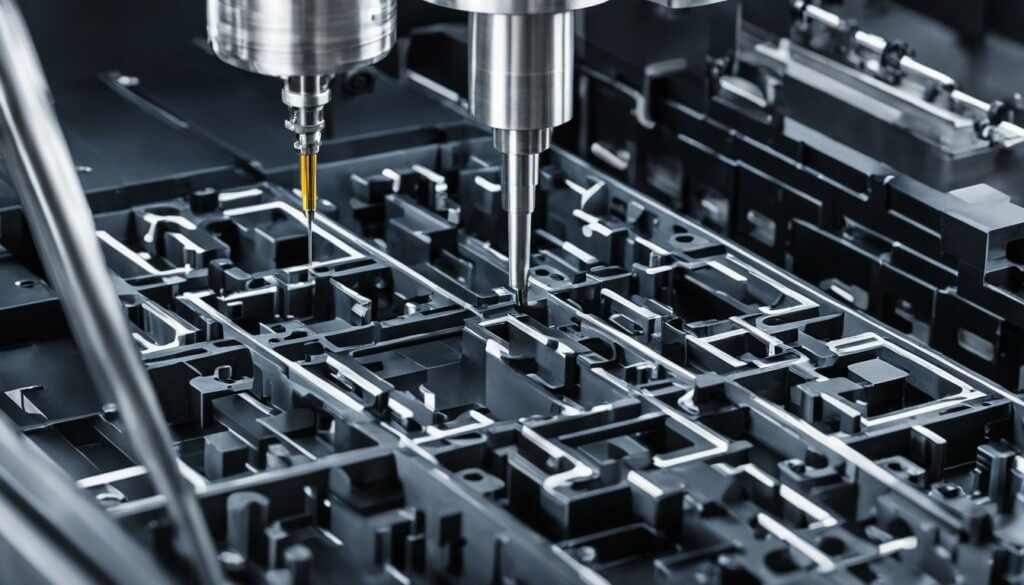
Ultimately, when you manufacture products that satisfy both functionality and push aesthetic boundaries, you will witness the tremendous contribution of **process improvement** to business success. Precision manufacturing is not only a display of technology but also a symbol of brand strength, ensuring your products stand out in fierce market competition.
Technological Advances in Injection Molding Machines
In today's manufacturing industry, injection molding machine innovation has become key to improving productivity. With technological development, the new generation of high-precision equipment has not only improved molding quality but has also greatly optimized production efficiency. These advances provide a solid foundation for maintaining your competitiveness in the market.
To meet the demand for high-precision equipment, modern injection molding machines are equipped with sophisticated control systems that ensure uniform injection pressure and consistent temperatures. Such innovations not only reduce raw material waste but also decrease defect rates during production.
For example, the use of multi-axis servo robotic arms has improved product removal speed and accuracy, while reducing damage to molded products through precise motion control. The application of smart sensor technology has enabled machines to monitor production status in real-time, perform data analysis, and achieve preventive maintenance and production optimization.
The rapid development of injection molding machines demonstrates the important role that technological development plays in modern manufacturing. Continuous innovation is making machines more intelligent and environmentally friendly, with an exciting outlook for future developments.
Properties of Precision PVC Materials
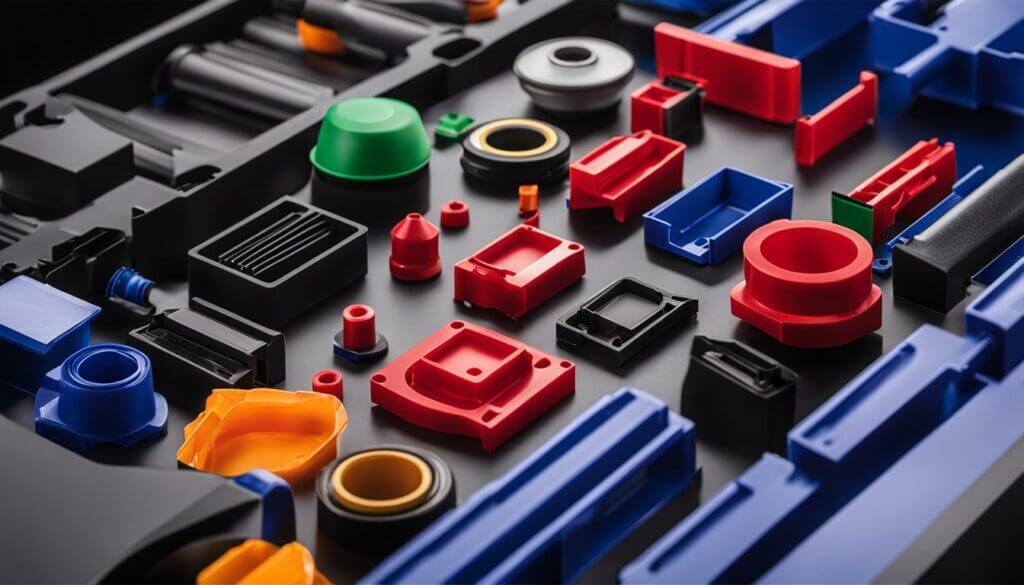
When selecting the right material for precision PVC micro injection molding, understanding **PVC material properties** is essential for process optimization and product quality improvement. Polyvinyl chloride (PVC), as a **high-performance plastic**, is widely used in the manufacture of precision plastic parts due to its outstanding physical and chemical properties.
PVC possesses the following characteristics:
- Excellent chemical stability, resistant to most acids, alkalis, and greases.
- High strength and durability, allowing products to maintain structural integrity over the long term.
- Good processability, easily shaped through injection molding technology.
- Low manufacturing cost combined with durability, providing a high cost-performance material option.
Therefore, choosing PVC as the material for micro injection molding helps you manufacture precision components that are both durable and high-quality. PVC material not only improves production efficiency but, due to its unique properties, can also meet various demanding application requirements.
Detail Control in the Process Flow
In your pursuit of flawless PVC micro injection molded products, process control is indispensable for achieving unparalleled product quality. A comprehensive process management system ensures that every stage from raw materials to finished products is under strict monitoring. This not only significantly improves product consistency but also effectively reduces resource waste.
Details determine success. On the path of detail refinement, every step of the process flow is carefully planned and rigorously executed. The following is a typical precision PVC micro injection molding process flow, showing the industry standards that should balance quality and efficiency at each stage:
| Process Stage | Control Points | Quality Standard |
|---|---|---|
| Raw Material Preparation | Ensure PVC pellets are dry and free of impurities | Pellet moisture <0.02% |
| Temperature Control | Adjust melting temperature according to material properties | Melting temperature controlled within ±1°C |
| Injection Pressure | Precisely control injection pressure to avoid shrinkage or burning | Pressure error range ±5% |
| Cooling Time | Appropriate cooling based on product thickness and shape | No stress cracks in product |
| Demolding and Post-Processing | Smooth demolding and necessary post-processing finishing | No defects on product surface |
Remember, continuous monitoring and adjustment during process management is key. Your goal should be to maintain the highest standards throughout the entire production process, thereby achieving optimal product quality. When your process can precisely match material properties and machine settings, extraordinary finished products will no longer be out of reach.
Innovative Thinking in Mold Design
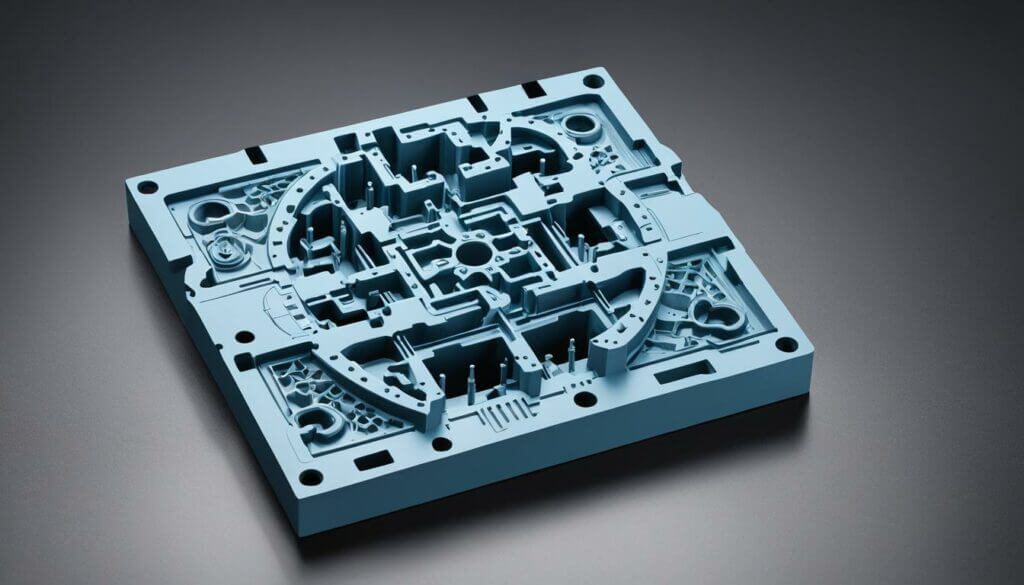
In the current field of precision molding, innovation in mold design is critically important. A well-designed mold not only improves production efficiency but also ensures product quality, meeting market demands for high-end precision molded products. Innovative processes play a key role in today's mold design field, driving designers' creative thinking and achieving precision molding of various complex products with high-level expertise and technology.
| Design Element | Traditional Materials | Innovative Materials |
|---|---|---|
| Durability | Average | High |
| Precision | Accurate | Extremely high accuracy |
| Cost Efficiency | Higher cost | Reasonable |
| Design Flexibility | Limited | Extensive |
| Production Cycle | Longer | Shortened |
Facing growing market demands and the development of precision molding technology, we must continuously explore new mold design and manufacturing methods. Through innovative processes, we can create molds that are both precise and durable, thereby driving technological progress across the entire industry.
Quality Monitoring and Inspection Methods
In your pursuit of ultimate precision in the PVC micro injection molding process, quality monitoring and product inspection play irreplaceable roles. An effective quality management system ensures that product quality at every stage from design to shipment meets the strictest standards. Cutting-edge quality assurance equipment, such as coordinate measuring machines and optical scanners, provides us with precise measurement data to evaluate and guarantee finished product quality.
| Inspection Item | Inspection Tool | Inspection Purpose |
|---|---|---|
| Dimensional Accuracy | Coordinate Measuring Machine | Ensure product dimensions meet design specifications |
| Surface Integrity | Optical Scanner | Detect whether the product surface has defects |
| Color Consistency | Colorimeter | Ensure product color consistency and accuracy |
| Material Properties | Universal Material Testing Machine | Test that material mechanical properties meet requirements |
Strengthening product inspection processes helps detect potential issues in the manufacturing process in real-time, enabling adjustments on the production line. This is critical for reducing scrap rates, improving product consistency, and enhancing consumer satisfaction. As the executor of quality monitoring, you play an important role in ensuring PVC micro injection molded products reach industry-leading levels.
Challenging Molding of Complex Shapes
In today's field of precision plastic molding, complex shape molding has become a significant technical challenge. This tests not only the engineers' ability for design innovation but is also a trial of precise control over precision molding technology. To successfully manufacture plastic components that are both complex in shape and demanding in precision, advanced precision plastic molding technology must be utilized along with strict quality management measures.
Below is a typical solution steps table for facing such technical challenges:
| Challenge Phase | Technical Solution | Molding Advantage |
|---|---|---|
| Mold Design | Use 3D printing technology to create prototypes | Rapid response to design modification needs |
| Material Selection | Use high-flow plastic materials | Reduce manufacturing costs, improve production efficiency |
| Precision Injection | Optimize injection parameter settings | Improve product structural integrity |
| Quality Control | Implement automated inspection systems | Ensure consistency of product dimensions and functions |
Through the implementation of these solutions, the difficulties of complex shape molding can be overcome, achieving high-quality and high-efficiency production goals. From innovative mold design to precise injection control and automated quality inspection, every link is key to ensuring product precision and efficiency.
Application Trends of Eco-Friendly Materials
As global environmental awareness continues to rise, the application of eco-friendly materials in the plastics manufacturing industry, especially in precision PVC micro injection molding, has gained tremendous attention. Adhering to the principles of sustainable production, increasing transparency and improving the environmental standards of the production chain have become an indispensable part of industry development.
While traditional PVC materials are widely used in various products, their environmental pressures are gradually becoming apparent. Therefore, developing recyclable, biodegradable, and even PVC alternatives derived from renewable resources holds significant importance for the industry's transformation and upgrading. This not only reduces the environmental impact of production but also meets modern consumers' expectations for green products.
Beyond material selection, the green manufacturing process also includes energy-saving and emission-reducing production technologies, waste recycling systems, and environmentally friendly design of overall processes. These initiatives not only drive the plastics manufacturing industry toward greener, more sustainable development but also bring long-term economic benefits to the enterprises themselves.
Let us glimpse the new landscape of eco-friendly material applications in precision PVC micro injection molding technology through the following illustration:
As you can see, integrating eco-friendly materials into traditional processes is not only an industry upgrade but also a practice of corporate social responsibility. Being able to reduce environmental burden while providing consumers with safer, more eco-friendly products is our shared pursuit.
With the continuous development of technology and the gradual transformation of the consumer market, it is foreseeable that environmental protection will become a new norm for the plastics manufacturing industry in the future, and you, the reader, will also be a participant and beneficiary of this transformation.
Case Studies of PVC Micro Injection Molding
Sharing success stories is crucial for understanding the benefits of PVC micro injection molding in industry applications. Through the showcase of actual cases, we can witness how this technology is practically applied to solve various production challenges.
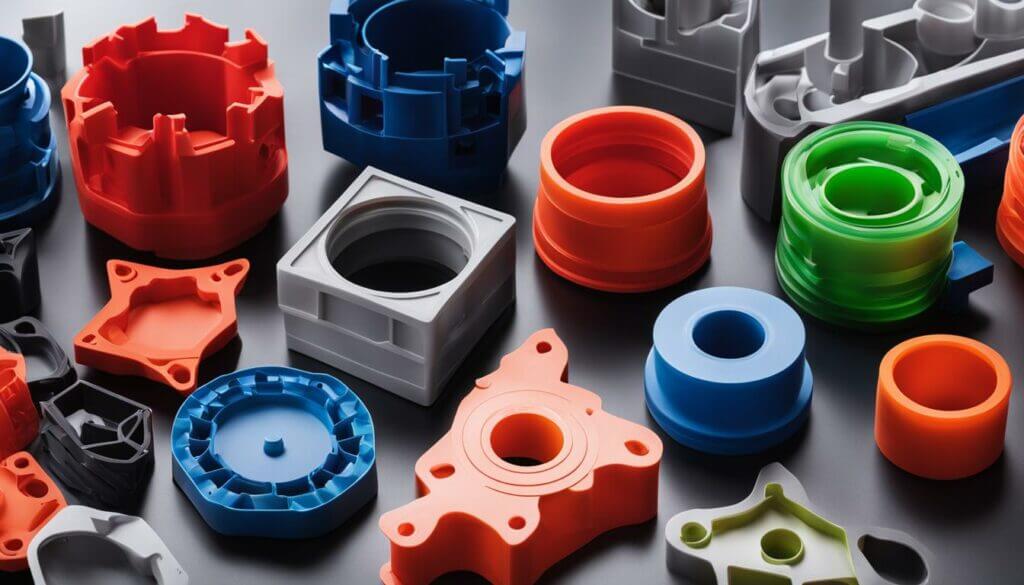
In the medical device field, PVC micro injection molding technology can produce highly precise components that meet hygiene standards — these components play critical roles in surgical equipment and diagnostic tools. In precision electronics production, this technology ensures high stability and precision, meeting strict requirements for the durability and conductivity of extremely small components.
In automotive industry applications, it not only improves the production efficiency of complex components but also brings lighter and more eco-friendly material choices.
| Industry | Application Examples | Results |
|---|---|---|
| Medical Devices | Surgical instrument components | Enhanced precision and hygiene standards |
| Precision Electronics | Micro components inside smartphones | Ensured component quality and lifespan |
| Automotive Manufacturing | In-car control system buttons | Increased material lightness and eco-friendliness |
Maintenance and Care: Extending Equipment Lifespan
In the field of modern precision manufacturing, good equipment maintenance practices are essential for ensuring optimal equipment working condition and extending its service life. Below are some practical maintenance recommendations for PVC micro injection molding machines.
| Maintenance Activity | Recommended Frequency | Notes |
|---|---|---|
| Clean the machine body | Every shift | Use anti-static cloth for wiping to prevent dust accumulation |
| Inspect oil lines | Weekly | Ensure oil lines are unobstructed with no leaks |
| Replace filters | Every 3 months | Keep oil fluid clean to extend oil pump lifespan |
| Lubricate moving parts | As needed | Lubricate important moving parts such as guide rails and lead screws |
| Inspect safety devices | Every 6 months | Ensure emergency stop and safety door functions are reliable |
Following these simple steps can help you maximize equipment performance and ensure continuous, stable production operations. Ultimately, this not only improves product quality but also saves your company more maintenance and repair costs.
Future Direction: Smart and Automated Manufacturing
When we look ahead to the future of precision manufacturing, we find it increasingly intertwined with smart production and automation technology. This not only brings significant transformation to all industries but also paints a picture of innovation and opportunity for the future of precision manufacturing.
Smart production is entering a new era where production lines are not just collections of automation but are data-driven, self-learning intelligent systems. Through the integration of artificial intelligence (AI) and machine learning (ML), production systems can now monitor environmental changes in real-time and automatically adjust process parameters to maintain optimal operating conditions.
Such progress not only enhances production flexibility and efficiency but also, to some extent, reduces dependence on skilled labor, enabling enterprises to respond more quickly to market changes. Moreover, these integrated smart platforms play important roles in preventive maintenance and quality control, significantly reducing errors and defect rates.
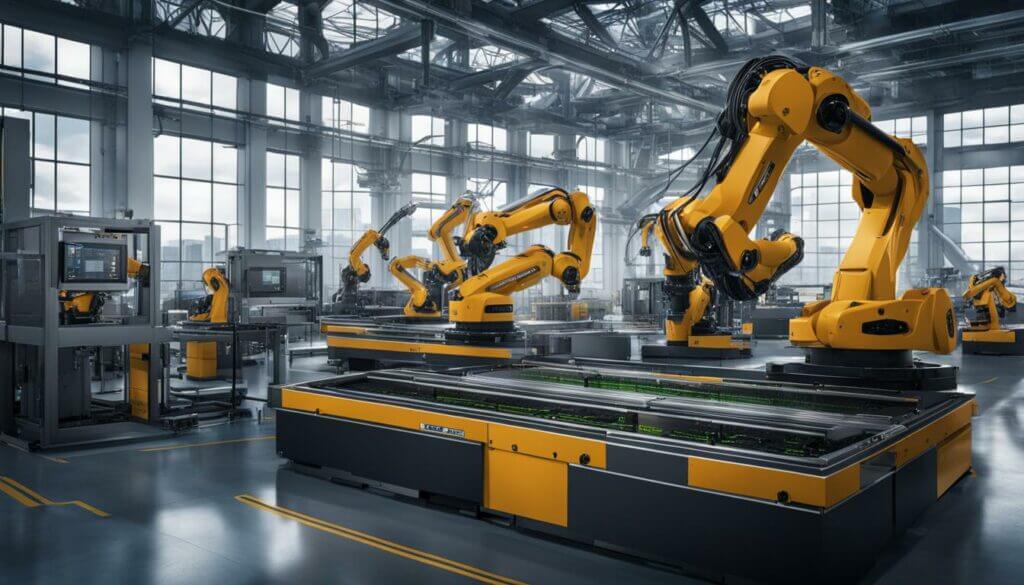
The future manufacturing scene may no longer be a workshop bustling with human hands, but rather a highly automated factory where robotic arms perform precision operations and unmanned transport vehicles shuttle back and forth. This would achieve fully unmanned management from raw materials to finished products, greatly enhancing your product competitiveness.
Consequently, manufacturers need to rethink how to align with this trend, especially in digital transformation and talent development. In the future, enterprises that embrace smart production and automation technology will have the opportunity to become industry leaders, guiding new trends in the future of precision manufacturing.
Conclusion
Through a series of discussions, you should now have a deeper understanding of the process innovation in precision PVC micro injection molding. From selecting the right materials, mastering advanced molding technology, utilizing innovative mold design, to implementing rigorous quality monitoring — every step is an indispensable element in achieving efficient production.
In practice, precision molding conclusions are continuously verified and refined, making PVC micro injection molding technology not only improve manufacturing industry production efficiency but also significantly enhance finished product quality. The evolution and application of this technology has made major contributions to the development of multiple industries, particularly medical, electronics, and automotive fields.
Looking ahead, with the advancement of smart and automated manufacturing, precision PVC micro injection molding technology will undoubtedly continue to lead industrial production toward higher quality standards. Is your enterprise ready to embrace the opportunities and challenges brought by this process revolution?