

In the modern industrial manufacturing field, Taiwan's professional expertise has earned international recognition for its outstanding performance, particularly in the PVC micro molding market. PVC micro molding technology, with its ability to manufacture small and intricate plastic parts, plays an important role in industries such as medical devices and precision electronic components. The stable production of high-quality products relies on the critical role of mold design precision — precision molds not only ensure product consistency but also enhance product competitiveness.
Accurate mold design not only plays a decisive role in quality control but is also a core factor driving Taiwan to become a world-class leader in injection molding technology. You will learn how mold design precision directly affects the quality of PVC micro molded products, and how Taiwan continues to achieve high-efficiency and high-quality product manufacturing through continuous innovation and refinement.
Key Takeaways
- PVC micro molding has stringent requirements for mold design precision.
- High-quality product manufacturing is inseparable from excellent mold design.
- Taiwan's professional expertise holds an important position in the global PVC micro injection molding field.
- Innovation and technological refinement in mold design are key to enhancing competitiveness.
- Mold design precision directly affects the quality and production efficiency of molded products.
Basic Principles of Micro Injection Molding
When discussing micro injection molding, we are referring to a plastic molding process specifically designed for manufacturing small, precise plastic parts. This process involves heating plastic pellets to their melting point, then injecting the molten plastic under high pressure into precisely made molds to form parts of the desired shape. These parts can be used in various applications, from medical devices to precision instruments. The ingenuity of precision injection technology lies in its ability to create extremely complex and demanding small components.
In this process, controlling every parameter — from raw materials and equipment to the process itself — is crucial. The heat of the plastic, the temperature of the mold, and even the applied pressure must be strictly monitored to ensure the final product achieves the intended quality and precision. Below is an overview of several important aspects of micro injection molding:
| Molding Stage | Important Factors | Control Objectives |
|---|---|---|
| Pellet Preparation | Pellet drying | Ensure melt quality |
| Melt Injection | Precise temperature control | Produce products with smooth surfaces |
| Pressure Application | Consistent pressure distribution | Achieve precise product dimensions |
| Cooling and Solidification | Mold temperature management | Ensure product shape stability |
| Product Demolding | Mold surface treatment | Reduce production defects |
Carefully considering these factors can help you understand why micro injection molding is not only a science but also an art. To successfully produce small parts that meet specifications, precision control at every stage is essential.
The Importance of Injection Mold Design
In the field of precision injection, injection mold lifespan, mold manufacturing precision, and injection mold design are the three core factors affecting production costs and quality. A carefully designed mold ensures optimal precision during the injection molding process while reducing additional costs and production delays caused by mold wear.
Mold manufacturers should pay attention to these important details to improve product utilization rates and ensure the mold's long-term performance and economic viability. Below is a table of injection mold design considerations for your reference:
| Design Consideration | Detailed Description | Impact on Product Quality |
|---|---|---|
| Material Flow Analysis | Internal runner design in the mold must ensure uniform distribution of plastic material | Reduces defects, ensures overall consistency of finished products |
| Cooling System Design | An effective cooling system speeds up production cycles and ensures uniform shrinkage | Improves production efficiency and ensures precise product dimensions |
| Mold Material Selection | Using high-temperature resistant, corrosion-resistant mold steel extends mold life | Increases mold usage count, reduces unit product cost |
| Shrinkage Rate Control | Precisely calculating plastic material shrinkage rate avoids deformation and dimensional inaccuracy | Improves finished product quality, reduces rework and scrap |
As you can see, every design detail of injection molds plays a key role in the quality of the final product. High-performance injection mold design not only improves product quality but also brings significant economic benefits to manufacturers.
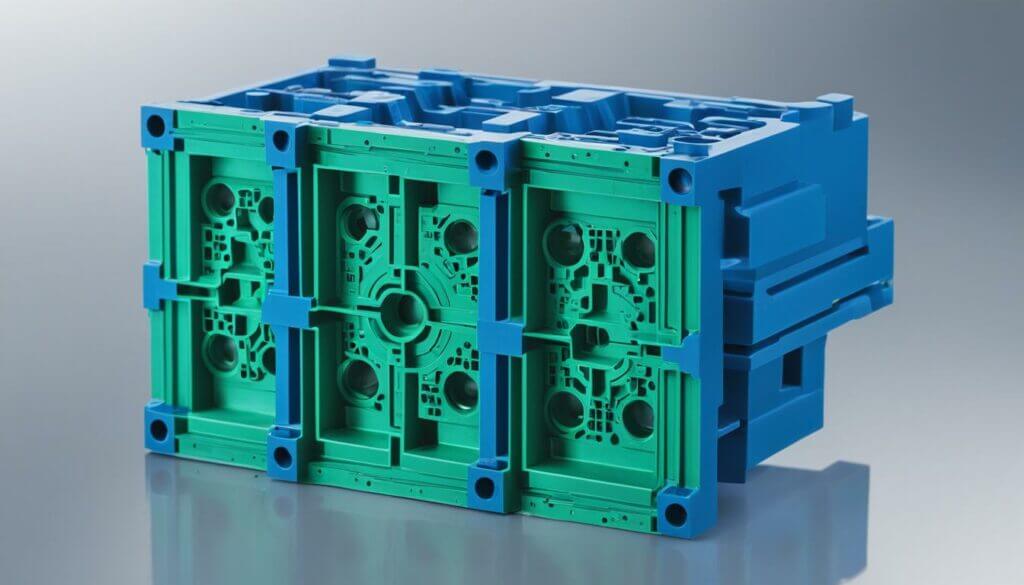
Impact of Precision Mold Design on PVC Material
When discussing PVC micro molding quality, we must mention the precision of mold design. In the PVC injection molding process, injection pressure management is critically important. Because PVC material is far more sensitive to injection pressure during molding than other plastics, mold designers must handle this point very carefully.
Of course, precision mold design involves not only pressure control but also temperature distribution uniformity and cooling system design. These factors collectively determine PVC module behavior during the cooling stage. The cooling stage is critical for reducing or preventing the formation of gel points, which not only affect the appearance of molded products but may also impact part performance.
How to ensure the quality of PVC micro injection molding? The table below details several important mold design parameters and their impact on the PVC micro molding process.
| Design Parameter | Impact on PVC Molding | Quality Improvement Strategy |
|---|---|---|
| Injection Pressure | High pressure may cause uneven distribution of PVC material within the mold | Adopt multi-stage injection pressure control |
| Temperature Control | Improper temperature control increases the risk of gel point formation | Precise mold temperature feedback control system |
| Cooling System Design | Effective cooling helps reduce stress concentration and prevent deformation | Uniformly distributed water channels for comprehensive, even cooling |
Furthermore, precision mold design affects not only the manufacturing of molded products but also the entire product's quality assurance and cost control. Good mold design is the cornerstone of successful micro molding, ensuring stability during the molding process and ultimately achieving the goal of improving PVC micro molding quality.
Challenges and Solutions in Micro Injection Molding Technology
When discussing micro injection technology, the industry undoubtedly benefits from its ability to produce small, precision components. However, how to ensure quality consistency of these small parts during production, and how to precisely control micro-scale dimensional tolerances, are major plastic molding challenges facing this technology.
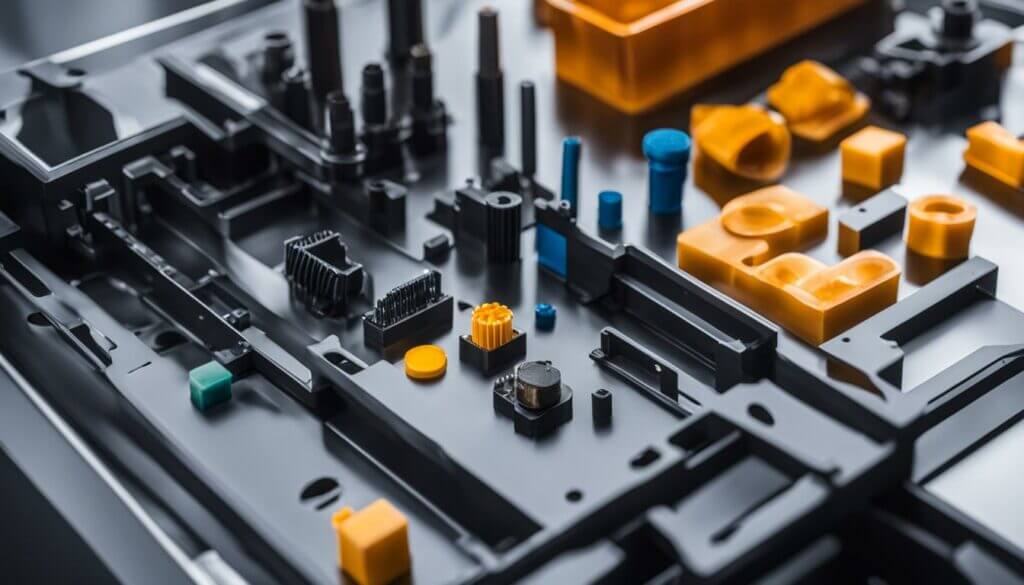
To address these challenges, the industry has adopted a series of precision molding solutions. Fundamentally optimizing mold design to optimize material flow and cooling rates can effectively reduce variability during the production process. Furthermore, employing advanced manufacturing technologies such as high-precision injection machines and precision measurement tools ensures every part meets accuracy requirements.
Regarding materials, selecting suitable plastic raw materials is equally important for improving product stability and performance. The market offers various improved plastic raw materials specifically designed for micro injection technology, maintaining part quality while enhancing strength and durability.
Beyond these technical measures, actively participating in industry sharing and exchange is also crucial. Through case studies, professional seminars, and exhibitions, practitioners can exchange best practices with peers, continuously absorb new knowledge, and improve their respective production processes.
Precision Engineering Technology in Mold Design
When discussing precision mold engineering, we turn our attention to the technical details that transform concepts into reality. These technologies aim to enhance the performance of precision injection molds and high-precision mold manufacturing. You may already realize that in the world of mold design, every micron counts — it is precisely this level of accuracy that determines the quality of the finished product.
Advanced precision engineering technology relies not only on high-performance hardware but also on a relentless pursuit of detail. From using ultra-precision machining equipment to achieve millimetric accuracy of structural components, to employing strict quality inspection measures to ensure every mold component meets expected specifications, every step is carefully planned and rigorously executed.
Computer-Aided Design (CAD) technology plays an indispensable role in modern mold design practices. Through simulation and analysis, CAD can predict and optimize product designs before production, eliminating potential problems and reducing costs and time consumption. It is the combination of computer science and engineering mechanics that shoulders this important responsibility.
Through these advanced engineering technologies, Taiwan's mold manufacturers continue to maintain their competitive advantage in the global high-precision mold manufacturing industry. Their technology and expertise ensure that molds for various products, from automotive components to precision medical devices, can meet the most stringent international standards.
Relationship Between PVC Material Properties and Injection Molding
When considering using PVC material for injection molding, understanding its PVC properties and injection molding compatibility is very important. PVC is widely used in product manufacturing across different industries due to its cost-effectiveness and physical properties, such as high tensile strength and excellent chemical stability. However, the thermal stability characteristic during PVC material processing becomes a major challenge in injection molding. It is susceptible to thermal decomposition, which may lead to decreased product quality.
Well-designed molds can reduce the chance of thermal decomposition caused by material heating, which is not only crucial for improving product quality but also provides support for maintaining production continuity and economic efficiency. Therefore, mold design must account for PVC's processing characteristics, selecting suitable materials and design concepts to accommodate PVC's behavior during the injection molding process.
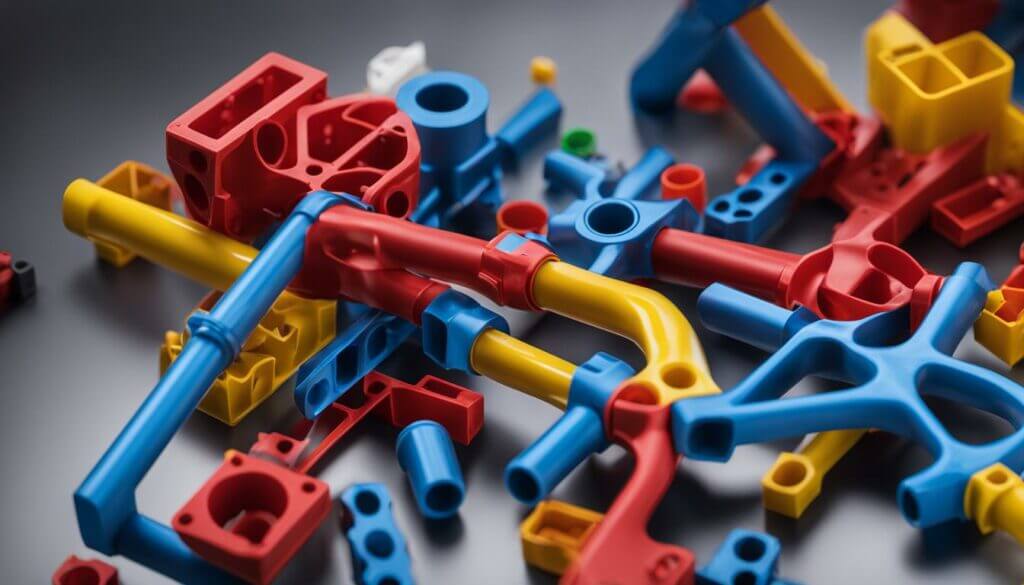
When designing PVC injection molds, understanding the material's physical and chemical properties is the foundation for producing high-quality products. This involves not only the mold's shape and dimensions but also precise control of processing parameters such as temperature, pressure, and cooling rate, all of which directly affect the performance of the final product.
At the same time, considering the market's increasing demands for environmental protection and sustainability, PVC selection must also consider its environmental impact, seeking recyclable and reusable PVC materials. This can not only reduce waste during the production process but also enhance the product's market competitiveness.
From Design to Production: Mold Development Process Analysis
In the mold development process, from initial mold design to injection mold manufacturing, every step plays an indispensable role. For those focused on improving product quality and production efficiency, understanding the entire mold design to production process is especially important.
First, the conceptual design stage involves innovative thinking and technical evaluation, aiming to determine product feasibility and the mold's basic architecture. The subsequent detailed design stage requires precise calculations to plan material flow, cooling systems, and product demolding details during the mold development process.
After design completion, the injection mold manufacturing stage begins. In this phase, high-precision machining and tool selection are extremely important, as they are directly related to mold precision and production efficiency. After manufacturing, the mold undergoes detailed testing to confirm it can achieve expected performance in actual production.
Every stage of the entire injection mold manufacturing process must undergo strict quality control and precise execution, ensuring the final product can meet design requirements and maintain high-quality standards during mass production. This is not only a requirement for the mold's own quality but also a quality guarantee demonstrated to the market.
Case Studies: Successful PVC Micro Injection Molding Examples
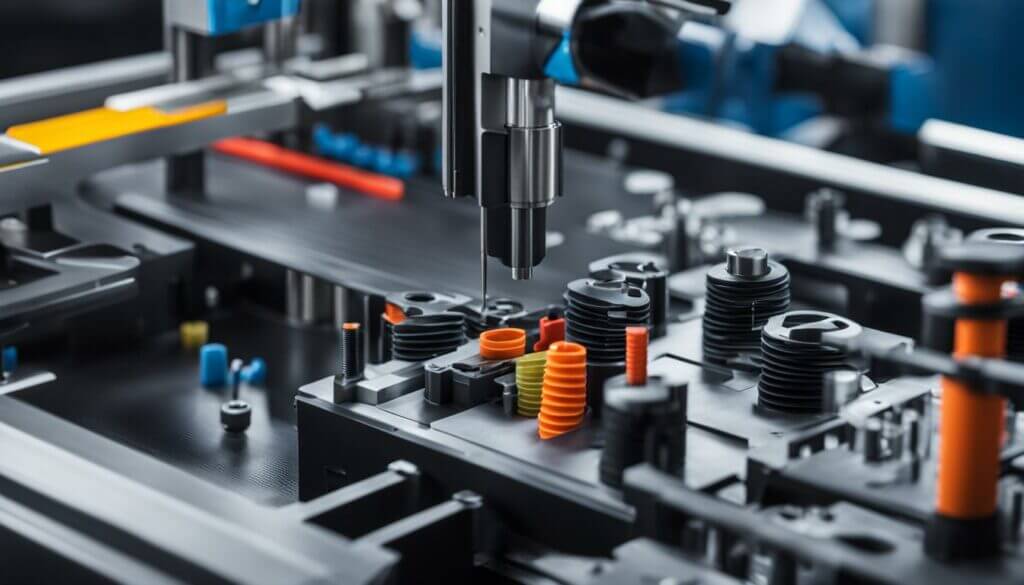
Exploring successful cases is critical to understanding industry standards and driving technological innovation. This section focuses on analyzing several outstanding injection molding examples, distilling the key factors driving the success of micro molding applications. We will demonstrate how mold design directly affects product quality and production efficiency, and examine challenges that may be encountered during the production process.
| Case Name | Industry Application | Key Success Factors | Challenges Faced |
|---|---|---|---|
| Medical Micro Components | Medical Devices | High mold precision, excellent material selection | Controlling dimensional tolerances of micro parts |
| Precision Electronic Connectors | Electronic Communications | Refined mold cooling channel design | Maintaining component consistency with high-speed production |
| Automotive Sensor Components | Automotive Industry | Innovative mold surface treatment | Balancing production efficiency and material longevity |
Through careful study of these successful cases, you will gain an in-depth understanding of the application scope and commercial value of injection molding technology. Each injection molding example reflects deep consideration of mold design and manufacturing processes, proving that even the smallest details can determine the success or failure of an entire project. These success stories reinforce the importance of micro molding applications across various innovative fields and set higher standards for the industry.
Mold Design Software Tools and Applications
In today's mold manufacturing industry, mold design software is an indispensable tool. These software tools, especially CAD/CAM applications, have greatly improved the quality of mold design and the speed of manufacturing. Such software not only makes mold design more precise but also supports the creation of complex mold structures. Next, we will explore the contributions of several major software tools to software-assisted mold design.
After completing design with these software tools, simulation testing can predict mold performance in actual production, thereby identifying potential issues and optimizing in advance. The table below shows several popular mold design software tools on the market and their features:
| Mold Design Software | Core Functions | Industry Applications |
|---|---|---|
| SolidWorks | 3D model construction, simulation analysis, mold structure optimization | Automotive, medical devices, consumer electronics |
| AutoCAD | Precise 2D and 3D graphic design, mold detail drafting | Architecture, engineering, product design |
| Mastercam | CAM automation, machine programming, machining path planning | Plastic mold manufacturing, metal cutting, aerospace parts manufacturing |
| Siemens NX | Integrated CAD/CAM/CAE, multi-axis machining, reproducibility analysis | Complex mold design, advanced simulation analysis, data management |
Whether in prototype development or pre-mass production stages, the use of mold design software has a significant positive impact on improving engineering efficiency, reducing error rates, and accelerating time-to-market. Therefore, effective use of CAD/CAM and other software-assisted mold design tools has become a key strategy for modern mold designers and manufacturers to achieve innovation goals.
Mold Design Strategies for Improving Efficiency and Cost Control
In today's highly competitive manufacturing industry, mold design efficiency and production cost control determine a company's survival and growth. To achieve cost-effective molds, companies must adopt a series of strategies to improve production process efficiency and reduce production costs while ensuring product quality standards. Below are some practical mold design strategies that are crucial for manufacturers pursuing economic benefits and cost advantages.
First, simplifying mold design can significantly reduce material and production time costs. By eliminating unnecessary complexity, not only is the manufacturing process simplified, but production speed is also accelerated, avoiding resource waste. Second, selecting cost-effective materials and manufacturing methods can reduce expenses while maintaining quality, such as using longer-lasting steel or improved surface treatment technologies.
Additionally, employing efficient mold maintenance and management processes can further extend mold service life and reduce maintenance costs, thereby achieving overall economic benefits improvement. Finally, actively adopting advanced manufacturing technologies, such as automated and intelligent equipment, can achieve production process stability and consistency, bringing long-term benefits to the company.

Industry Trends: Green Manufacturing and Sustainable Mold Design
With increasing global environmental awareness, the concept and practice of green manufacturing are receiving more attention. Particularly in the injection mold industry, the development and application of eco-friendly mold technology is increasingly becoming an essential path to enhancing competitiveness. When making your selection, you should consider not only the production benefits of sustainable molds but also evaluate their long-term impact on the ecological environment.
Currently, industry experts are dedicated to designing and manufacturing mold products that reduce energy consumption and waste generation. Such eco-friendly mold technology not only helps companies meet green manufacturing standards but also drives the entire industry toward a more sustainable direction.
Below are the current applications of green manufacturing in mold design and manufacturing:
| Green Manufacturing Element | Related Measures | Sustained Benefits |
|---|---|---|
| Material Selection | Use recyclable or biodegradable materials | Reduces environmental burden |
| Energy Management | Improve energy efficiency, use renewable energy | Reduces carbon footprint, saves costs |
| Waste Management | Optimize design to reduce scrap, recycle waste | Enhances material utilization rate, combines economy and environment |
| Life Cycle Assessment | Evaluate impacts across the entire product life cycle | Improves overall product sustainability |
Conclusion
In exploring the world of PVC micro injection molding, we have seen the profound impact of molding technology innovation on the plastics manufacturing industry. With growing demand for high-precision, high-quality plastic components, precise mold design is receiving increasing attention. Taiwan, as a technological pioneer, has achieved remarkable success in high-performance injection mold manufacturing and continues to enhance its competitiveness in the global market.
Looking to the future, the outlook for mold design points toward combining advanced Computer-Aided Engineering (CAE) technology to develop more efficient and environmentally friendly production methods. This is not just about improving design processes but also about considering environmental impact and social responsibility while maintaining cost-effectiveness.
Therefore, as you face the intersection of market changes and technological progress, grasping these core key points will be extremely important. The continued progress and innovation of Taiwan's mold manufacturing industry will give you more confidence and inspiration in the injection mold design field, jointly welcoming a new chapter in manufacturing.