

Facing the rapidly growing flexible electronics market, silicone printing technology continues to innovate, building a new era of printing machinery. Are you already aware of the latest market developments? This article will give you a glimpse of how silicone printing machinery stands out amid technological revolution, and how all of this is shaping market trends on a global scale.
Key Summary
- Growth in the flexible electronics market brings new opportunities for silicone printing technology.
- Innovative product launches by industry-leading brands are driving market demand for silicone printing machinery.
- Demand from smart wearable devices and integrated electronic equipment for high-performance printing machinery is increasing.
- Growing environmental awareness is pushing silicone printing technology toward greener, more energy-efficient development.
- Automation and digitalization have become important industry trends, effectively improving production efficiency.
- Demand from emerging markets for flexible displays and printed electronic products has opened up vast market opportunities.
The Evolution of Silicone Printing Technology
With the rapid advancement of silicone printing development and related industries, we have witnessed a series of technological breakthroughs and innovative applications. These technological innovations extend beyond printing quality improvements, emphasizing high efficiency, flexible operation, and the integration of eco-friendly concepts, harnessing the power of digital printing to its fullest. Digitalization has not only simplified design workflows but has also shown unprecedented flexibility in handling short-run and personalized printing demands.
Furthermore, the application of automation technology has made every step of printing a scientific process combining high precision and efficiency. From file preparation, color management, to final printed product cutting and packaging — every step has fully achieved unmanned operation, reducing labor costs and error rates while improving overall market competitiveness.
At the same time, the introduction of eco-friendly technology, such as solvent-free inks and energy-efficient equipment, is committed to creating a green printing industry and reducing environmental impact. These green technologies enhance corporate social responsibility while also meeting modern consumers' demand for sustainable products.
Global Flexible and Printed Electronics Market Development Forecast
Facing the rapid evolution of the global consumer electronics industry, market forecasts indicate that flexible electronics and printed electronics technologies will become core forces driving innovation. By 2030, these electronic components are expected to account for half of automotive production costs, up from 30% a decade ago — a growth trajectory that cannot be underestimated.
With technological progress, products from entertainment to medical applications are undergoing reshaping. Thin-form and lightweight designs are current trends, and driven by this momentum, demand in the consumer electronics market — from curved televisions to glucose monitoring devices — continues to rise.
At the same time, we also see innovative developments in organic light-emitting diodes (OLED) paving the way for more advanced printed solar cells and the popularization of flexible display screens. These cutting-edge technology applications enhance product competitiveness and attractiveness in the market, opening new market channels.
| Product | 2020 | 2030 Forecast | Growth Trend |
|---|---|---|---|
| Flexible Displays | Early development | Widespread adoption | Rapid growth |
| Printed Solar Cells | Experimental stage | Commercial production | Steadily maturing |
| Automotive Electronic Components | 30% cost share | 50% cost share | Significant increase |
As you navigate this ever-changing market, understanding these trends is crucial for future investment and innovation. Flexible electronics and printed electronics are undoubtedly key industry points about to undergo massive transformation.
Smart Wearable Devices Driving Printed Electronics Growth
The rapid development of modern technology, particularly in the smart wearable field, has played a decisive role in improving daily life and health monitoring. With the increasing maturity of Internet of Things (IoT) technology, the number of connected smart wearable devices exceeded 1,105 million in 2021, demonstrating the enormous market potential of smart electronic products.
These smart devices not only provide convenient daily applications for users but have also opened new frontiers in advanced health monitoring. For example, many smart watches or fitness bands on the market today are equipped with advanced sensors that can track heart rate, blood pressure, and even blood glucose levels. The proliferation of these devices has not only brought new possibilities for personal health management but has also driven the rapid expansion of the health monitoring electronic products market.
Due to the portability and flexibility of smart wearable devices, they have become ideal choices for multi-scenario applications. They are no longer limited to personal use but are gradually entering diversified industries such as medical healthcare, automotive, and smart home, promoting the development of printed electronic skins, flexible display screens, and extensible electronic components.
Because of this trend, the printed electronics industry is facing unprecedented transformation opportunities. The following table shows the influence and market potential of these smart wearable devices across several different application fields:
| Application Field | Device Type | Market Trend | Technological Innovation |
|---|---|---|---|
| Medical Healthcare | Smart bands, biosensors | Rapid growth | Continuous monitoring technology |
| Automotive | In-vehicle smart devices | Steadily rising demand | Safe driving assistance systems |
| Smart Home | Wearable remote controls | Sustained growth | Home automation integration |
| Consumer Electronics | Smart watches, glasses | Innovation-driven | Augmented reality interaction |
Applications of Silicone Printing Machinery in the Medical Healthcare Field
In today's era of rapid medical healthcare advancement, silicone printing technology has demonstrated its tremendous potential in the biomedical field. With its high degree of flexibility and adaptability, silicone printing can manufacture personalized medical devices that meet user needs, monitor patients' physiological data, and respond rapidly — becoming an indispensable part of the healthcare system.

Utilizing advanced monitoring technology, silicone printing machinery can produce health trackers connected to smart devices that can monitor vital indicators such as heart rate and blood pressure in real-time. Additionally, for special patients such as those with diabetes, these devices can provide continuous blood glucose monitoring, enabling individualized disease management.
As the biomedical field continues to innovate, silicone printing is also constantly evolving. This technology can be applied not only to producing flexible display screens and smart packaging but also to manufacturing various biocompatible sensors, further providing patients with efficient and human-centered medical environments. This cross-disciplinary innovative development is leading the medical healthcare industry toward a new future, making medical devices smarter and more convenient.
New Demands in the Automotive Electronic Components Market
With the rapid development of technology, automotive electronic components have become an indispensable part of modern automobiles. From traditional engine control and in-vehicle entertainment systems to advanced driver assistance systems (ADAS), and further to future autonomous driving infrastructure, technological innovation is continuously bringing new demands to automotive electronic components. These components need to be not only high-performance but also flexible, capable of seamlessly integrating with other vehicle systems.
The rise of flexible electronics has had a significant impact on automotive electronic components. It allows for greater design freedom and more precise manufacturing processes to accommodate the ever-changing interior space requirements of vehicles. Meanwhile, with the development of OLED lighting technology, high-end automotive brands led by Audi and BMW have begun adopting this technology as a new option for vehicle lights, adding beauty while also improving energy efficiency.
| Component Type | Application Example | Growth Driver |
|---|---|---|
| Engine Management System | Maximizing engine efficiency | Reducing fuel consumption and emissions |
| Vehicle Lighting System | OLED tail lights | Aesthetics, energy efficiency |
| Autonomous Driving Infrastructure | Automated parking assistance | Safety and convenience |
Automotive manufacturers are investing heavily in R&D for more advanced electronic components to meet these new demands, further advancing the modernization of the automotive industry. Moreover, these components must achieve high reliability and high output requirements to ensure the vehicle's lasting performance and safety under harsh driving conditions.
The Cutting Edge of Silicone Printing Machinery Technology
Today, silicone printing machinery technology actively follows the wave of digitalization, developing toward high precision and multi-functionality. Whether in substrate material selection or innovative printing process technology, this evolution makes digital printing the new trend for future development.
From an industrial perspective, advances in mechanical technology bring clear improvements to printing quality and efficiency. On one hand, the digitalization of modern silicone printing machinery makes operation simpler; on the other hand, they also demonstrate significant advantages in energy conservation and reducing production costs.
To give you a more intuitive understanding of these technology applications, the table below compares different technologies in silicone printing machinery:
| Printing Technology | Applicable Materials | Features | Application Fields |
|---|---|---|---|
| Flexographic Printing | Plastics, metal foils, etc. | Suitable for large-area continuous pattern printing | Packaging industry |
| Inkjet Printing | Paper, plastics, etc. | Non-contact printing, high flexibility | Personalized product prototyping |
| Gravure Printing | Paper, textiles, etc. | Rich, full colors with rich layers | High-quality catalogs, labels |
| Screen Printing | Textiles, metals, glass, etc. | Thick ink layer, wide applicability | Electronic product casings, signboards |
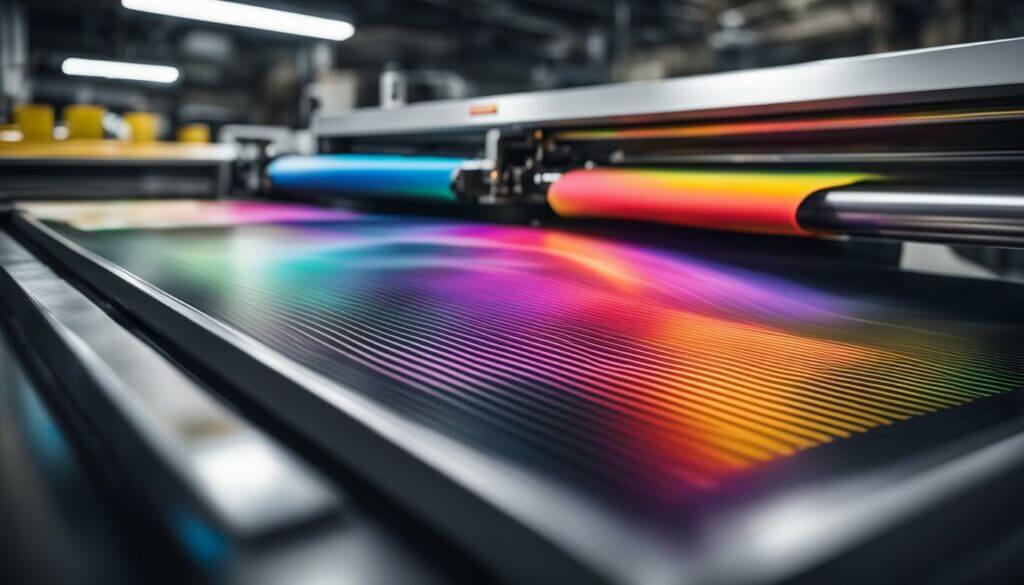
Furthermore, with technological progress, printing machinery is not only playing a role within traditional industries — its applications in the digital printing field are also becoming increasingly mature, driving rapid growth in emerging markets such as wearable devices, sports facilities, and flexible screens.
As you can see, silicone printing machinery is continuously breaking through technical limitations, pushing digital printing applications to new heights through mechanical technology innovation.
The Impact of COVID-19 on the Silicone Printing Machinery Industry
The COVID-19 pandemic created unprecedented challenges, and the silicone printing machinery industry was not spared. Global lockdown restrictions forced many industrial facilities to temporarily close, profoundly affecting the electronic manufacturing sector. In Asia, particularly China — as a major manufacturing base for global electronic components — facility closures caused severe supply chain disruptions that rippled across the world.
This situation caused a sharp decline in demand for silicone printing machinery. As the market stagnated, many electronic manufacturers had to delay or scale down production. For US and European manufacturers dependent on imported components, the situation was even more severe. In the medium to long term, this pandemic reshaped the landscape of electronic manufacturing and trade globally.
Below is an overview of the main challenges faced by the silicone printing machinery industry during COVID-19:
| Challenge | Details | Industry Impact |
|---|---|---|
| Supply Chain Disruptions | Logistics stagnation due to global lockdowns | Raw material shortages, production blockages |
| Demand Decline | Reduced end-market demand leading to fewer new orders | Shrinking sales, cash flow pressure |
| Production Delays | Factory shutdowns and export restrictions | Delayed shipments, declining customer trust |
| Technology Innovation Delays | R&D projects postponed, unable to complete on time | New product launches delayed, losing market first-mover advantage |
Innovative Applications of Silicone Printing Technology in Smart Manufacturing
Smart manufacturing is at the core of the current industrial revolution, with all industries courageously exploring innovative applications. Silicone printing technology plays an increasingly important role in manufacturing processes. Through sensors and real-time monitoring systems integrated with this technology, enterprises can track product manufacturing status in real-time, ensuring quality and efficiency.
Silicone printing technology, with its high degree of customizability, can print sensors applicable to various industrial scenarios, thereby accelerating breakthroughs in the smart manufacturing field. The table below shows innovative application examples of this technology across different industries.
| Industry | Application Example | Function |
|---|---|---|
| Smart Healthcare | Printed heart rate monitoring bands | Real-time tracking of patient vital signs |
| Automotive Manufacturing | Vehicle pressure sensors | Enhanced driving safety and comfort |
| Construction | Structural health monitoring systems | Early identification of structural damage |
| Consumer Electronics | Wearable devices | Health and activity tracking |
Maintaining real-time monitoring of manufacturing processes not only improves production quality and efficiency but also reduces unnecessary resource waste and production line downtime. Sensors applied in smart manufacturing help achieve this goal, optimizing overall manufacturing workflows.
Growing Demand for Flexible Displays in Emerging Markets
With technological progress, market demand is driving the rise of various new technologies, and flexible displays are becoming a shining new star in this wave. You may have already seen the tremendous potential of flexible display technology in wearable devices, smart watches, and even the latest smartphones. These displays that can bend, curl, and even fold not only bring unprecedented freedom to product design but also provide users with more convenience and innovative experiences.
Beyond the captivating flexible display technology, thin-film solar modules have also sparked excitement in the market. With their lightweight and flexible characteristics, this technology demonstrates great flexibility not only in building integration but also writes new chapters in the portable energy products field. Behind all of this, considerations for energy efficiency and environmental impact are becoming increasingly important for both commercial and household products.
Now, let us examine the progress of wearable devices and flexible electronic components in terms of market demand through a detailed table:
| Product Category | Features | Market Applications | Future Trends |
|---|---|---|---|
| Wearable Devices | Flexible, lightweight, personalized | Health monitoring, smart communication | Diversified functions, greater integration |
| Smartphones and Tablets | Foldable, high durability | Multimedia entertainment, mobile office | Enabling larger screens |
| Thin-Film Solar Modules | High efficiency, easy installation | Green energy, household power | Cost reduction, widespread adoption |
It is worth noting that the market demand behind these technologies comes not only from individual consumer preferences but is also driven by global trends toward sustainability and quality of life. As a consumer, you are both a beneficiary and a driving force of technological development.
Current Status and Prospects of the Asia-Pacific Silicone Printing Machinery Market
As someone in the Asia-Pacific market, you are surely aware of this region's importance in the global landscape. The Asia-Pacific region has long been an important base for electronic device production, and driven by global R&D investment, this trend will become even more pronounced in the coming years. It is expected that this vibrant region will occupy a significant share of the printed electronics market.
In your daily life, display innovations are visible everywhere — Samsung and LG's flexible displays, for instance, are the most direct demonstration of this region's electronic device production capacity and innovative attitude. These innovations not only highlight the Asia-Pacific region's leading position in the global market but also provide a brilliant outlook on future display technology development trends.
As the market expands, you have good reason to believe that with increased R&D investment in this region, production equipment and technology including silicone printing machinery will enjoy broader development prospects.
Research and Development of Innovative Electronic Textiles
As conductive nanomaterials and sensing surfaces technologies mature, the market potential of electronic textiles continues to expand. In recent years, these advances have been of great significance to the textile industry — they have not only given traditional textiles new functionality but have also brought convenience and innovation to our daily lives.
Researchers have made breakthroughs in the field of stimulus-responsive materials, developing smart textiles that can dynamically adjust to temperature, light, and other environmental changes. These products use materials with stimulus-responsive properties, giving textiles the ability to respond to external stimuli — for example, temperature-regulating sportswear or color-changing fashion garments.
When discussing smart textile applications, conductive nanomaterials are one of the core elements. These tiny conductive particles can bond closely with fibers to produce fabrics that can conduct electrical current. This adds further application scenarios for textiles, such as functional garments that can monitor health data, receive wireless signals, or provide heating.
The combination and integration of these technologies not only drive the research and development of electronic textiles but also expand the potential applications of sensing surfaces. In the future, your clothing may not merely provide basic protection and aesthetics but will become an important component of personal health management.
Competitive Landscape and Investment Analysis of the Silicone Printing Machinery Market
Facing increasingly fierce market competition, enterprises must refine their investment analysis capabilities to ensure they maintain a leading position in the rapidly changing high-quality consumer electronics field. In recent years, the combination of innovative technology and green energy management has not only opened new market domains but has also provided diversified innovative solutions.
For example, the collaboration between Eaton Corporation PLC and LG Electronics achieved innovation in home energy management systems. This cross-industry collaboration combined smart circuit breaker technology and electric vehicle charging technology with home energy management services, bringing consumers a more efficient, more eco-friendly energy usage experience.
When investing in high-tech solutions, enterprises need to conduct in-depth market trend and technology development research. The table below shows several key factors that enterprises with significant market impact should consider in formulating their long-term investment strategies:
| Key Investment Factor | Scope of Impact | Strategic Recommendation |
|---|---|---|
| Innovative Technology | Product Development | Continuously track technology frontiers, invest in R&D |
| Energy Efficiency | Cost Control | Adopt energy management systems, reduce operating costs |
| Consumer Demand | Market Orientation | Focus on consumer trends, rapidly respond to market changes |
| Environmental Impact | Sustainable Development | Promote green technology, fulfill corporate social responsibility |
As market competition intensifies and technology continues to advance, investors need to carefully analyze various trends to ensure investment decisions yield maximum returns. From energy management to product innovation, enterprises should timely adopt innovative thinking to maintain market competitiveness.
Conclusion
As we comprehensively explore the silicone printing machinery industry, we clearly sense the dynamic changes brought by technological innovation and market analysis. From consumers' growing interest in smart wearable devices to the continuous innovation of electronic components in the automotive industry, to advances in innovative applications in electronic textiles — these elements undoubtedly paint a bright future for the industry's development.
You must realize that your continued focus on future development trajectories will be key to observing market trends and seizing business opportunities. The high-efficiency production and refined management brought by the waves of digitalization and automation, combined with high regard for environmental protection, have converged into the driving force for the silicone printing machinery industry to compete in the market arena.
Facing this constantly evolving market, you can witness and participate in a feast that spans technology and creativity, where silicone printing machinery will, through continuous innovation and research, find the perfect balance between meeting usage needs and environmental protection, continuing to play its indispensable role on the global stage.