

This way, brands can focus on marketing and sales strategies. This model enables brands to launch new products quickly.
It saves both time and cost while ensuring product quality. Through ODM, brands can respond more flexibly to market changes and achieve continuous innovation.
Definition and Development History of ODM
Original Design Manufacturer (ODM) is a production model where products are designed and manufactured according to the brand's requirements. Starting from the 1980s, with the development of globalization, ODM grew rapidly. This allowed brand owners to focus on marketing while ODM manufacturers provided professional expertise.
The development of ODM has gone through several stages:
- Early stage: Primarily focused on the electronics sector
- Expansion stage: Extended to apparel, home goods, and many other industries
- Innovation stage: ODM manufacturers began leading product innovation
| Era | ODM Characteristics | Main Industries |
|---|---|---|
| 1980s | Basic manufacturing services | Electronics |
| 1990s | Enhanced design capabilities | Electronics, Apparel |
| 2000s | Comprehensive solutions | Diversified industries |
| 2010s to present | Innovation-driven, smart manufacturing | Cross-industry applications |
The development history of ODM demonstrates the transformation of the manufacturing industry — from simple contract manufacturing to becoming a driving force behind brand innovation. This has not only improved production efficiency but also promoted collaboration across the global industrial chain.
How the ODM Model Drives Brand Innovation
The ODM model brings innovation opportunities to brand owners. ODM suppliers possess professional teams and advanced equipment, enabling them to quickly turn ideas into reality. Brand owners can leverage this expertise to develop unique products.
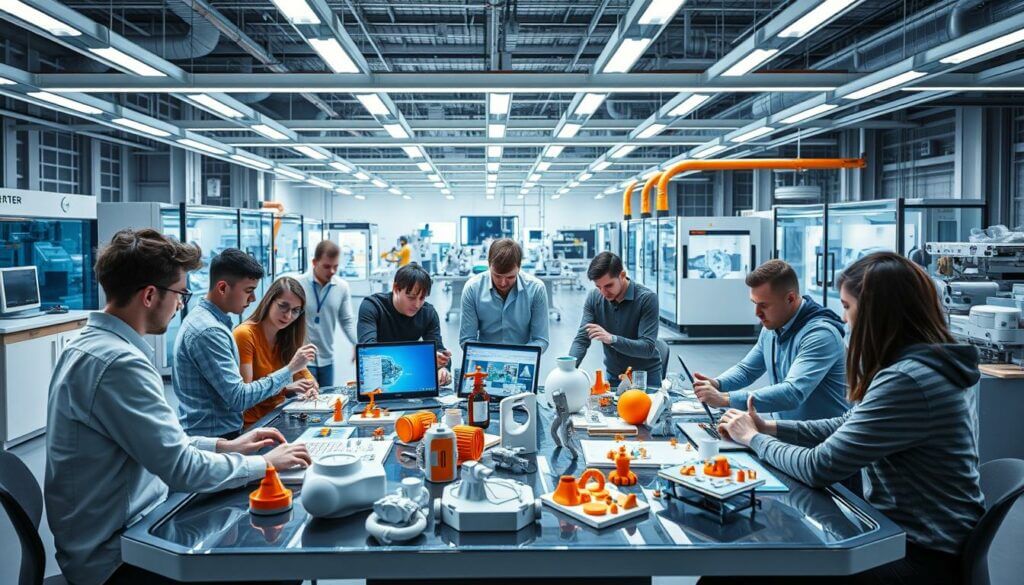
ODM collaboration reduces R&D costs and risks for brand owners. By utilizing the experience and resources of ODM suppliers, brands avoid redundant investments. This collaborative model enables brand owners to quickly respond to market changes and launch new products.
| ODM Innovation Advantages | Impact on Brand Owners |
|---|---|
| Professional R&D team | Enhanced product innovation capability |
| Advanced production equipment | Shortened product development cycle |
| Rich industry experience | Reduced R&D risk |
| Flexible production capacity | Rapid response to market demands |
The key to the ODM model lies in close collaboration between both parties. Brand owners provide market insights and brand positioning, while ODM suppliers contribute technology and production experience. This collaboration yields more innovative results, helping brands stand out in the market.
Advantages of ODM Collaboration for Brand Owners
ODM collaboration offers significant benefits for brand owners. First, it can greatly shorten product development time, enabling brands to bring new products to market faster.
Second, ODM collaboration can reduce R&D costs, allowing brands to allocate more resources to brand building and marketing.
Furthermore, by leveraging the ODM supplier's professional expertise, brands can improve product quality and innovation.
Additionally, the ODM model allows brand owners to respond more flexibly to market changes. Brands can focus on core competencies such as brand image and customer service.
The ODM supplier's global supply chain network also provides brands with more options, helping to optimize cost structures and improve supply chain resilience.
| ODM Collaboration Advantages | Specific Benefits |
|---|---|
| Shortened development cycle | Rapid product launch |
| Reduced R&D costs | Resources focused on brand building |
| Enhanced product quality | Leveraging ODM professional expertise |
| Flexible market response | Quick product line adjustments |
| Optimized supply chain | Improved cost efficiency |
Core Competencies of ODM Suppliers
In the market, the success of ODM suppliers lies in their core competencies. Outstanding ODM manufacturers possess advanced production technologies and innovative design capabilities. They can quickly transform customer ideas into products and continuously optimize costs and quality.
R&D capability is a key competitive advantage for ODM suppliers. Top ODM companies invest heavily in research and development, continuously developing new technologies and materials to meet brand owners' needs.
Additionally, excellent ODM suppliers have strong supply chain management capabilities. They establish long-term partnerships with upstream suppliers to ensure stable raw material supply. They also have efficient production management systems that can quickly adjust production plans.
Quality control is another important competitive advantage of ODM suppliers. They establish rigorous quality management systems, conducting strict oversight from raw materials to finished products, ensuring products meet brand owners' requirements and international standards.
Application Cases of ODM Across Different Industries
In the electronics sector, many well-known brands collaborate with ODM manufacturers. This approach not only provides manufacturing services but also involves participation in design and innovation. For example, an international brand partnered with a Taiwanese ODM manufacturer to launch several best-selling tablet computers.
The apparel industry also utilizes the ODM model to quickly respond to market demands. Many fast-fashion brands, through ODM partners, can rapidly design, produce, and bring new clothing to market, maintaining their competitive edge.
The automotive accessories market has also widely adopted the ODM model. Many automotive brands collaborate with specialized ODM suppliers to develop innovative in-vehicle entertainment systems and safety equipment, enhancing vehicle performance and user experience.
| Industry | ODM Application Cases | Innovative Outcomes |
|---|---|---|
| Electronics | Smartphones, Tablet computers | Rapid iteration, functional innovation |
| Apparel | Fast fashion brand collaborations | Quick market response, diverse designs |
| Automotive accessories | In-vehicle systems, safety equipment | Enhanced performance, optimized user experience |
These cases demonstrate the flexible application of the ODM model across different industries, providing powerful support for brand innovation and market competitiveness.
Intellectual Property Protection in ODM Collaboration
In ODM collaboration, intellectual property protection is extremely important. Both brand owners and ODM suppliers must protect their innovative achievements.

Both parties must also clearly define intellectual property ownership. Typically, the ODM supplier's general technologies belong to them, while designs and technologies developed for specific brands belong to the brand owner. This helps balance both parties' interests and promote collaboration.
Brand owners can adopt the following strategies to protect intellectual property:
- Disclose product information in phases to reduce leakage risks
- Apply for patent protection on core technologies
- Collaborate with multiple ODM suppliers to diversify risks
- Conduct regular intellectual property audits to identify and resolve issues promptly
In summary, both parties in ODM collaboration must prioritize intellectual property protection. Only then can a healthy innovation environment be fostered, promoting the advancement of products and technologies.
ODM Empowering Brands to Achieve Sustainable Development
In the modern business environment, brands are all pursuing sustainable development. The ODM model provides brands with an effective pathway to achieve this goal. Brands can partner with professional ODM suppliers to incorporate eco-friendly concepts.
They develop recyclable packaging solutions, reducing the carbon footprint of products from the source. The ODM supplier's scalable production capabilities can also help brands reduce unit costs.
This provides economic support for sustainable development. Through ODM collaboration, brands can quickly respond to market demand for eco-friendly products.
ODM suppliers' extensive R&D experience helps brands develop innovative sustainable solutions, including the use of renewable energy and biodegradable materials.
This not only enhances brand image but also attracts environmentally conscious consumers. The flexibility of the ODM model allows brands to more easily achieve product iteration and upgrades.
Continuously optimizing the environmental performance of products is crucial for long-term sustainable brand development. Through ODM collaboration, brands can contribute to environmental protection while maintaining competitiveness.
Key Factors in Choosing the Right ODM Partner
Choosing the right ODM partner is very important for brands. A quality ODM supplier can bring innovation and competitive advantages to a brand. During the selection process, brands need to consider multiple key factors.
First, technical capability is very important. ODM suppliers need to have advanced R&D capabilities and production equipment to meet the brand's innovation needs.

Supply chain management capability is also important. An efficient supply chain can shorten time-to-market and improve competitiveness.
Finally, communication and collaboration skills are equally important. Good communication helps realize design concepts and solve problems. Brands should also evaluate the ODM supplier's financial stability and sustainable development strategies.
By comprehensively considering these factors, brands can find the most suitable ODM partner to jointly drive innovation and development.
Conclusion
The ODM model has become an important driving force behind brand innovation. By collaborating with professional ODM suppliers, brand owners can quickly launch new products, reducing R&D costs while focusing on marketing and brand building.
This collaborative model improves product quality and helps brands achieve sustainable development. When choosing an ODM partner, brand owners need to consider multiple factors.
These include the supplier's technical capabilities, production capacity, quality control systems, and intellectual property protection measures. Good communication and trust are the foundation for long-term collaboration.
As global market competition intensifies, the ODM model will continue to play an important role. Brand owners and ODM suppliers need to continuously innovate and enhance core competencies.
Only then can they maintain a leading position in the ever-changing market. In the future, ODM collaboration will deepen further, driving technological progress and product innovation across all industries.