

In the globalized market, choosing the right OEM/ODM supplier is extremely important. A quality supplier can improve product quality, reduce costs, and accelerate time to market. This article provides a detailed guide to the key factors in selecting a reliable OEM/ODM supplier.
Definition and Importance of OEM/ODM Suppliers
OEM (Original Equipment Manufacturer) and ODM (Original Design Manufacturer) play crucial roles in modern manufacturing. OEM suppliers produce products according to client specifications. ODM suppliers, on the other hand, offer comprehensive services from design to production.
Here are the main advantages of OEM/ODM suppliers:
- Reduced production costs
- Shortened time to market
- Access to professional manufacturing technology
- Increased production flexibility
- Focus on core business development
In the globalized market, OEM/ODM suppliers serve as the critical link connecting design, manufacturing, and branding. By partnering with quality suppliers, businesses can better respond to market changes and enhance their competitiveness.
Therefore, choosing the right OEM/ODM supplier is a key strategic business decision.
Evaluating Supplier Production Capabilities
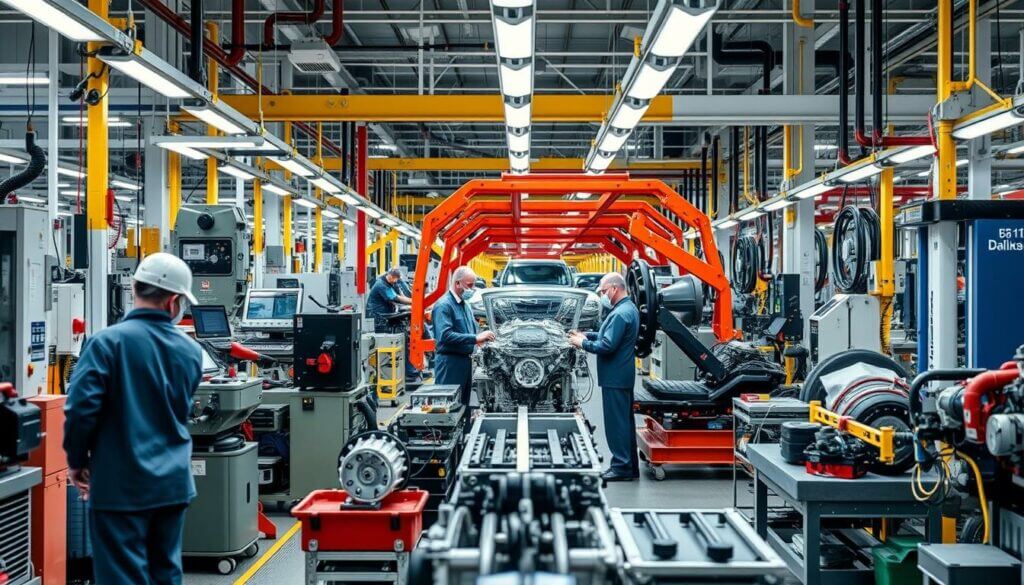
When selecting an OEM/ODM supplier, production capability is very important. We need to assess whether the supplier can meet our requirements and guarantee product quality. The following are important evaluation criteria:
- Production Capacity: Including the number of production lines, workforce size, etc.
- Equipment Advancement: Whether production equipment is modern and automated
- Production Efficiency: Product delivery time, production cycle, etc.
- Quality Control: Inspection equipment, defect rate, etc.
| Evaluation Metric | Scoring Criteria | Weight |
|---|---|---|
| Production Capacity | 1-5 points | 30% |
| Equipment Advancement | 1-5 points | 25% |
| Production Efficiency | 1-5 points | 25% |
| Quality Control | 1-5 points | 20% |
A comprehensive evaluation of supplier production capabilities helps us find the most suitable partner. This ensures stable product supply and consistent quality.
Supplier Quality Management Systems
When selecting an OEM/ODM supplier, the quality management system is very important. A good supplier will have a comprehensive quality control process. This ensures products meet standards.
This enables timely identification and resolution of quality issues.
The quality management system should also include continuous improvement mechanisms. Suppliers need to regularly evaluate production processes and identify areas for improvement. This continuously enhances product quality.
A customer feedback handling mechanism is also important. It helps suppliers respond quickly and resolve issues.
- ISO 9001 Certification
- Complete quality inspection process
- Advanced inspection equipment
- Professional quality control team
- Continuous improvement mechanisms
- Customer feedback handling system
Choosing a supplier with an excellent quality management system is important. It can effectively reduce defect rates and improve product stability and reliability.
This not only reduces costs and risks but also enhances corporate image and customer satisfaction. Therefore, when evaluating OEM/ODM suppliers, be sure to carefully examine their quality management capabilities.
Technological Innovation and R&D Capabilities
When selecting an OEM/ODM supplier, technological innovation and R&D capabilities are very important. An innovative supplier can add unique value to products and enhance market competitiveness. Evaluating a supplier's R&D strength can be approached from several perspectives:
- R&D team size and professional background
- Annual R&D investment ratio
- Number and quality of patents
- New product development cycle
- Collaboration with academic institutions

An excellent OEM/ODM supplier should continuously innovate, constantly launching new technologies and products. This not only meets client needs but also creates business opportunities for clients. When selecting a supplier, you can request their recent R&D achievements and future technology roadmap.
| Evaluation Metric | Excellent Supplier | Average Supplier |
|---|---|---|
| R&D Investment Ratio | Above 5% | Below 3% |
| Annual Patent Applications | More than 10 | Less than 5 |
| New Product Development Cycle | 3-6 months | Over 9 months |
Partnering with a supplier that has strong R&D capabilities provides market-leading technical support. This enables product differentiation and enhances brand value. Therefore, when selecting an OEM/ODM supplier, be sure to prioritize their technological innovation and R&D strength.
Supplier Financial Stability
Second, pay attention to the supplier's credit rating and bank credit limits. These reflect the confidence financial institutions have in them.
Understanding the supplier's client portfolio and market share is also important. A diversified client base and stable market position can reduce financial risk. Finally, pay attention to the supplier's investment plans and capital expenditures. These reflect the company's long-term development strategy.
| Financial Stability Indicator | Assessment Method | Significance |
|---|---|---|
| Current Ratio | Current Assets / Current Liabilities | Reflects short-term debt-paying ability |
| Debt-to-Asset Ratio | Total Liabilities / Total Assets | Measures long-term solvency |
| Net Profit Margin | Net Profit / Sales Revenue | Shows profitability |
| Accounts Receivable Turnover | Sales Revenue / Average Accounts Receivable | Reflects operational efficiency |
By comprehensively evaluating these financial indicators, businesses can better assess supplier financial stability. This enables more informed selection decisions.
Supply Chain Management Capabilities
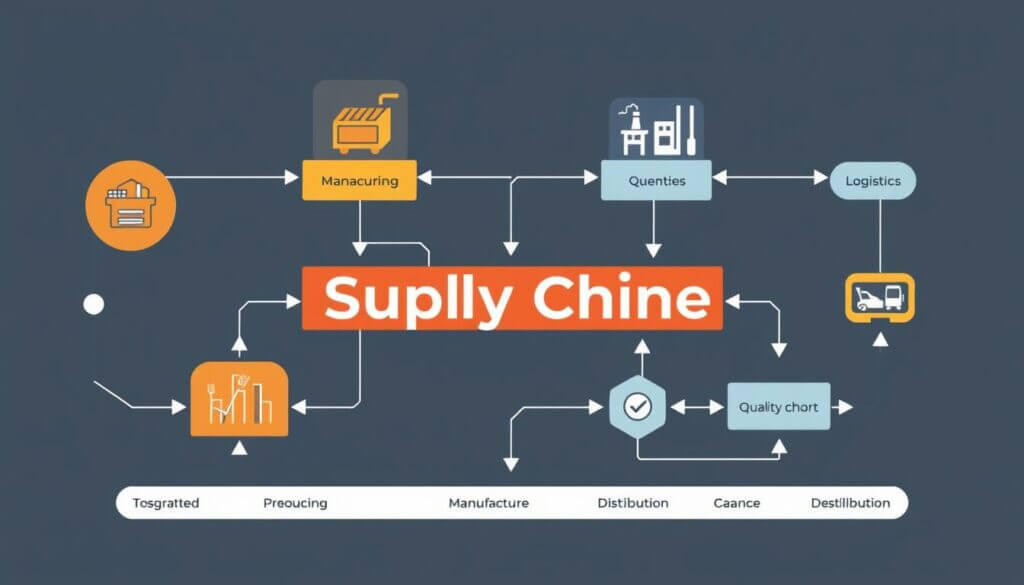
When selecting an OEM/ODM supplier, supply chain management capability is very important. A good supplier can ensure stable raw material supply, smooth production processes, and timely finished product delivery. They typically have comprehensive inventory management systems and can flexibly respond to market demand changes.
Evaluating a supplier's supply chain management capability can be approached from the following aspects:
- Raw material procurement strategy
- Production plan execution efficiency
- Inventory control level
- Logistics and distribution capability
- Emergency response mechanisms
| Supply Chain Management Metric | Excellent Supplier Performance | Average Supplier Performance |
|---|---|---|
| Order Fulfillment Rate | Above 98% | Around 90% |
| Inventory Turnover Rate | Above 12 times/year | 6-8 times/year |
| On-time Delivery Rate | Above 95% | Around 80% |
| Supplier Evaluation Frequency | Quarterly | Annual |
Choosing an OEM/ODM supplier with strong supply chain management capabilities can help businesses reduce operational risks and improve market competitiveness. During the evaluation process, it is recommended to conduct on-site inspections of the supplier's warehousing facilities, production lines, and logistics centers to comprehensively understand their supply chain management capabilities.
OEM Supplier Expertise and Experience
When selecting an OEM supplier, expertise and experience are very important. A good supplier has deep professional knowledge and extensive experience in a specific industry. They can better understand client needs and provide higher quality products and services.
- Technical Proficiency: Long-term focus in a specific field enables the supplier to master the latest technologies and processes
- Industry Insight: In-depth understanding of market trends and customer needs
- Problem-solving Ability: Can quickly identify and resolve issues during the production process
- Innovation Capability: Continuous improvement and innovation within their area of expertise
When evaluating supplier experience, consider the following points:
- Years of Service: Length of time operating in the industry
- Client Portfolio: Notable brands or companies they have worked with
- Project Cases: Number and scale of successfully completed relevant projects
- Industry Recognition: Industry awards or certifications received
Choosing a professional OEM supplier that matches your needs ensures smoother production processes and more reliable product quality. Experienced suppliers can also provide additional value-added services such as design recommendations and technical support, giving businesses a greater competitive advantage.
Price Competitiveness and Cost-Benefit Analysis
When selecting an OEM/ODM supplier, price is very important. But we cannot focus solely on price. Product quality, delivery time, and after-sales service must also be considered.
A cost-benefit analysis should include raw material costs, production costs, shipping expenses, and after-sales maintenance costs. Some suppliers offer low prices but may have hidden charges. For example, Foxconn maintains competitive pricing due to its efficient production and economies of scale.
We also need to assess whether a supplier can maintain long-term price competitiveness. This includes cost control, production efficiency, and raw material procurement strategies. Taiwan's Wistron Corporation is a good example, as they continuously optimize production to maintain long-term pricing advantages.
Finally, consider whether the supplier's pricing strategy aligns with market trends and industry standards. Excessively low prices may indicate quality issues or an unsustainable business model. Choosing a supplier that offers reasonable pricing while ensuring quality and reliability is the wisest decision.